When temperatures climb in Greater Vancouver, the last thing you want is an air conditioner that isn't up to the job. The good news is that most AC problems are preventable. A little attention before and during cooling season goes a long way toward keeping your system efficient, reliable, and long-lasting.
This AC maintenance checklist covers everything homeowners in the Lower Mainland should be doing in 2026 to get the most out of their cooling system. Whether you have a central air conditioner, a ductless mini-split, or a heat pump handling your summer cooling, the fundamentals are largely the same.
Skipping maintenance doesn't just risk a breakdown - it costs you money quietly, over time. A poorly maintained AC system works harder than it should, consuming more energy to deliver the same amount of cooling. Filters clog, coils get dirty, and refrigerant levels drop, all of which reduce efficiency and put unnecessary strain on components.
Regular maintenance extends the life of your system, keeps your energy bills in check, and helps you avoid the kind of mid-summer emergency repair that comes with premium pricing and uncomfortable waiting times. For most systems, an annual professional service combined with a few simple homeowner tasks throughout the season is all it takes.
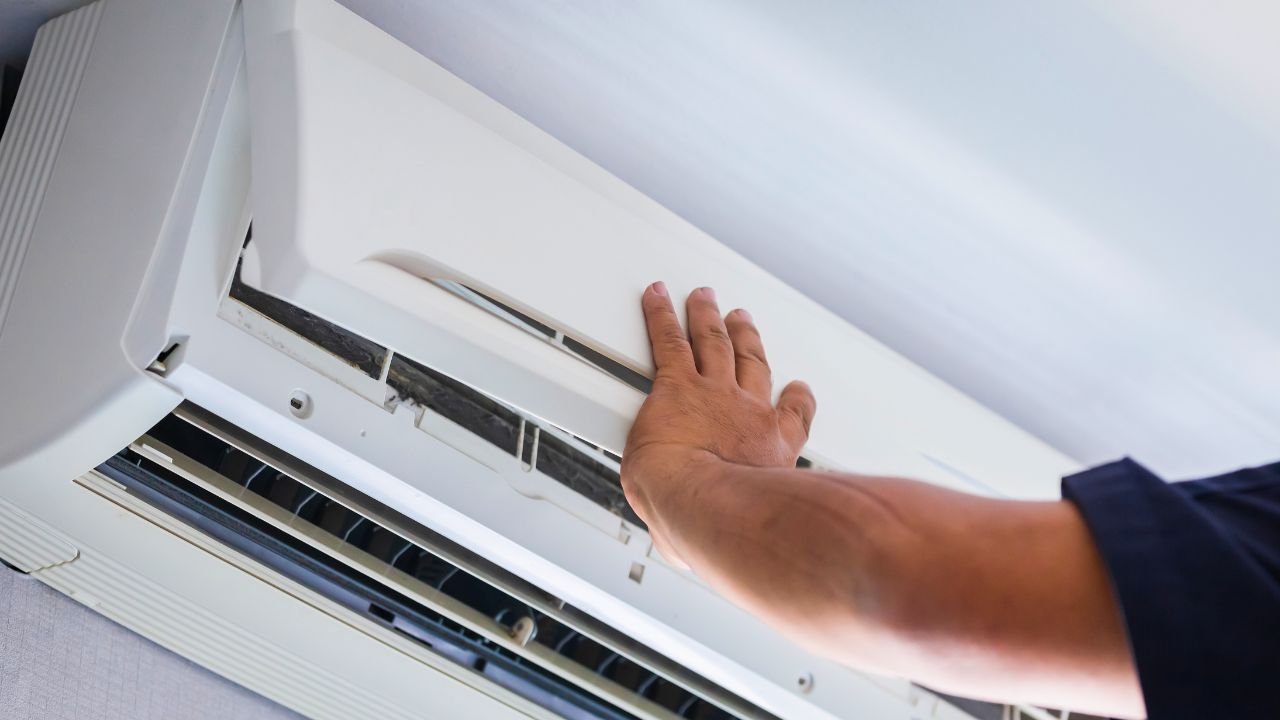
Use this checklist as your seasonal guide. Tasks are broken down by how often they need to be done.
Check and replace the air filter.
This is the single most important thing you can do to keep your AC running well. A clogged filter restricts airflow, forcing your system to work harder and reducing its ability to cool effectively. Check your filter every month during cooling season and replace it when it looks grey or clogged - typically every one to three months depending on your home and filter type.
Clear the area around your outdoor unit.
The condenser unit outside your home needs adequate airflow to do its job. Check that there's at least two feet of clearance around the unit and remove any leaves, grass clippings, or debris that have accumulated. Overgrown shrubs or fencing too close to the unit can significantly reduce efficiency.
Check your thermostat settings.
Make sure your thermostat is set correctly for cooling mode and that the temperature is where you want it. If you have a programmable or smart thermostat, confirm that your scheduling is set up to avoid unnecessary cooling when no one is home.
Clean the outdoor condenser coils.
Over the winter, the outdoor unit collects dust, pollen, and debris on its coils. Dirty coils can't release heat efficiently, which reduces cooling performance and increases energy use. Gently rinsing the coils with a garden hose from the inside out can help, but a professional cleaning is more thorough and avoids the risk of bending the delicate fins.
Inspect refrigerant lines.
The insulated refrigerant lines that run from your outdoor unit into your home should be checked for damage, wear, or missing insulation. Damaged insulation reduces efficiency and can signal a larger issue. If you notice ice forming on the lines, that's a sign something is wrong and a technician should take a look.
Test the system before you need it.
Don't wait for the first hot day to find out your AC isn't working. Run your system for a full cycle on the first warm day of the year and confirm it's cooling properly. Catching a problem in April or May is much easier - and less stressful - than dealing with it in July.
Check and clean condensate drain lines.
Your AC system removes humidity from the air, and that moisture has to go somewhere. The condensate drain line can become clogged with algae or debris over time, causing water to back up and potentially damage your system or your home. Flushing the line with a diluted bleach solution once a season keeps it clear.
Inspect ductwork for leaks (central AC).
Leaky ducts can waste a significant amount of the cooled air your system produces before it ever reaches your living spaces. Look for disconnected sections, gaps at joints, or visible damage. Sealing ducts with mastic sealant or metal tape improves efficiency noticeably.
Check all vents and registers.
Make sure supply and return vents throughout your home are open and unobstructed. Furniture, rugs, and curtains blocking vents reduce airflow and force your system to work harder. For ductless systems, clean the indoor unit's filters and wipe down the vents.
.jpg)
While there's a lot a homeowner can handle independently, an annual service by a certified HVAC technician covers the things that really require professional tools and training.
A professional AC tune-up typically includes:
Refrigerant check. Low refrigerant is a common cause of poor cooling performance. A technician will check the level and inspect for leaks. Refrigerant handling requires certification and can't be done as a DIY task.
Electrical component inspection. Capacitors, contactors, and wiring connections are all checked for wear or failure. Electrical issues are one of the most common causes of AC breakdowns and are also a safety concern.
Coil cleaning. Both the evaporator coil (indoors) and condenser coil (outdoors) are cleaned thoroughly, restoring heat transfer efficiency.
Blower motor and fan inspection. These components are checked for proper operation, lubricated if needed, and tested for correct airflow.
Thermostat calibration. Ensuring your thermostat is reading and controlling temperature accurately saves energy and improves comfort.
Overall system performance test. The technician will run the system through a full cycle and measure temperatures, pressures, and airflow to confirm everything is operating within spec.
Booking your annual service in spring - before the busy season - means faster scheduling and ensures your system is ready when you actually need it. Our HVAC services team handles AC tune-ups across the Greater Vancouver and North Shore area.
The Lower Mainland's climate creates some specific considerations worth keeping in mind.
Pollen and cottonwood season. Spring in Vancouver brings significant airborne debris, particularly cottonwood fluff in May and June. This can clog outdoor condenser coils quickly. Checking and cleaning the outdoor unit more frequently during this period helps maintain efficiency.
Humidity management. Vancouver summers can be more humid than many residents expect, particularly in July and August. Your AC system does double duty removing humidity from the air. If your home feels sticky even when the AC is running, it could be a sign the system is undersized, low on refrigerant, or due for a service.
Mild winters mean longer off-seasons. AC systems in Vancouver often sit unused for six or more months. Before firing yours up for the first time each year, give it a visual inspection and run through the seasonal checklist above. Systems that have sat dormant can have issues that wouldn't appear until you actually need cooling.
Routine maintenance is prevention. But sometimes a system needs more than a tune-up. Watch for these warning signs throughout the cooling season.
Warm air from the vents. If your system is running but not producing cold air, it could be low refrigerant, a failing compressor, or a dirty evaporator coil.
Unusual noises. Banging, grinding, or rattling sounds during operation point to mechanical issues that should be addressed before they cause further damage.
Short cycling. If your AC turns on and off frequently without completing a full cooling cycle, it may be oversized, low on refrigerant, or have an electrical issue.
Significant increase in energy bills. A sudden spike in electricity costs without a change in usage habits often points to a system that's working harder than it should.
Ice on the unit or refrigerant lines. Ice formation is never normal during operation and usually indicates restricted airflow or a refrigerant problem.
If you're seeing any of these signs, it's worth having a technician take a look before the problem gets worse.
Maintenance extends the life of any system, but every AC unit has a finite lifespan. Most central air conditioners and heat pumps last between 15 and 20 years with proper care. Ductless mini-splits can last slightly longer.
If your system is approaching that age, requires frequent repairs, or struggles to keep up on warm days despite being well-maintained, it may be more cost-effective to replace it than to keep repairing it. A newer, high-efficiency system will also deliver better performance and lower energy bills.
If you're weighing repair versus replacement, our AC installation team in Vancouver can help you evaluate your options and find the right system for your home.
.jpg)
A consistent AC maintenance checklist is one of the simplest things you can do to protect your investment and keep your home comfortable through a Vancouver summer. Most of the tasks are quick, low-cost, and easy to build into a seasonal routine. The ones that aren't - refrigerant checks, electrical inspections, deep coil cleaning - are exactly what a professional annual tune-up is for.
If you're due for a service or want a technician to assess your system before the warm weather arrives, contact Eco Pro Heating & Cooling for a free quote. We've been keeping Greater Vancouver homes comfortable for over 20 years, and we're ready to help you stay ahead of the heat in 2026.
How often should I service my air conditioner?
A professional service once a year is the standard recommendation for most AC systems. Homeowner tasks like filter changes and outdoor unit checks should be done monthly during cooling season.
What is the most important AC maintenance task I can do myself?
Changing or cleaning your air filter regularly is the single most impactful DIY maintenance task. A clean filter improves airflow, efficiency, and indoor air quality - and takes only a few minutes.
When is the best time to book AC maintenance in Vancouver?
Spring is ideal - March through May. Booking before the summer rush means faster scheduling and ensures your system is inspected and ready before you actually need it.
Can I clean my AC condenser coils myself?
You can rinse the outside of the condenser unit gently with a garden hose, but a thorough professional coil cleaning uses specialized tools and cleaners that do a more complete job without the risk of damaging the fins. It's worth including in your annual professional service.
Why is my AC running but not cooling the house?
Common causes include a clogged filter, dirty evaporator coil, low refrigerant, or a failing compressor. If the system is running but not producing cold air, a technician should assess it - continuing to run a struggling system can cause further damage.
Does Eco Pro service all types of AC systems?
Yes. Our certified technicians service central air conditioners, ductless mini-splits, and heat pumps across the Greater Vancouver and North Shore area.

EcoPRO. All rights reserved. Our website services, content, and products are for informational purposes only.