If your hot water tank is getting older, making strange noises, or simply not keeping up with demand the way it used to, you're probably starting to think about replacement. It's one of those home upgrades that tends to feel urgent once the problem becomes obvious — and by that point, you want answers fast.
This guide covers what hot water tank replacement typically costs in Vancouver and North Vancouver in 2026, what factors influence your final price, and how to make a smart decision between a traditional tank and a tankless system. For a personalised estimate, get in touch with our water heater installation team.
.jpg)
No two replacements are identical, and several factors will influence what you end up paying.
Tank type. The biggest pricing variable is whether you go with a traditional storage tank or a tankless (on-demand) system. These have very different equipment costs, installation requirements, and long-term operating profiles.
Tank size and capacity. For traditional tanks, capacity is measured in gallons or litres. A larger tank costs more upfront but may be necessary for larger households. Sizing matters — an undersized tank will run out of hot water constantly, while an oversized one wastes energy keeping water hot that never gets used.
Fuel source. Natural gas and propane tanks have different installation requirements than electric models. If you're switching fuel sources as part of your replacement, additional work may be required to accommodate the change.
Venting requirements. Gas tanks require proper venting to the exterior. If your existing venting needs to be modified, extended, or replaced, this adds to the overall cost. Power-vent and direct-vent systems have different labour requirements as well.
Electrical upgrades. Tankless electric systems in particular can draw significant power and may require a panel upgrade or new dedicated circuits — which adds to the installation cost.
Access and location. A water heater tucked into a tight mechanical room or requiring the removal of surrounding materials will take more labour time than a straightforward open-access installation.
Removal of the old unit. Disposal of the existing tank is typically included in a full-service installation quote but worth confirming before work begins.
Here are realistic price ranges for Greater Vancouver homeowners in 2026, covering both equipment and installation.
A standard storage water heater replacement — swapping a like-for-like unit in a straightforward installation — typically falls in the range of $1,200 to $2,500 installed. Gas units tend to sit slightly higher than electric due to venting requirements. Higher-efficiency models and larger-capacity tanks will push toward the top of that range.
Tankless gas systems require more complex installation than a traditional tank swap — new venting, gas line work, and condensate drainage are all commonly involved. Total installed costs typically range from $3,000 to $6,000, with premium high-efficiency models and complex installations at the higher end.
Electric tankless systems can be a cost-effective option for smaller households or point-of-use applications, but whole-home electric tankless units often require significant electrical upgrades. Installed costs typically range from $1,500 to $4,000 depending on capacity and electrical work required.
Heat pump water heaters are one of the most energy-efficient options available, using ambient air heat rather than direct electrical resistance or combustion. They cost more upfront — typically $2,500 to $5,000 installed — but deliver significantly lower operating costs and may qualify for rebates through CleanBC or BC Hydro.
These ranges are starting points. Your specific home, existing infrastructure, and system choice will determine your actual quote.
This is the question most homeowners face when planning a replacement. Both options work well, but they suit different households and priorities.
Traditional storage tanks are the simpler, lower-upfront-cost choice. They store a fixed volume of hot water — typically 40 to 80 gallons — and keep it heated continuously. The main drawbacks are standby heat loss (energy used to keep stored water hot even when you're not using it) and the risk of running out during peak demand. That said, for most households they're reliable, easy to service, and straightforward to replace.
Tankless systems heat water on demand rather than storing it, which eliminates standby heat loss and means you theoretically never run out of hot water. They're compact, have a longer lifespan than tank units, and are increasingly popular in Vancouver homes where space is at a premium. The trade-off is higher upfront cost, more involved installation, and the potential need for electrical or gas line upgrades.
The bottom line: if your current tank is in a straightforward location and you're happy with your fuel source, a like-for-like replacement is the quickest and most affordable path. If you're doing a renovation, switching fuel sources, or interested in long-term energy savings, it may be worth considering tankless or a heat pump water heater at the same time.
Not sure which direction makes sense for your home? Our North Vancouver water heater team can assess your setup and walk you through the options before you commit.
It depends on the system you choose.
Standard gas or electric tank replacements do not typically qualify for BC rebate programs. However, if you're upgrading to a heat pump water heater, you may qualify for rebates through BC Hydro or CleanBC. These programs change periodically, so it's worth confirming current eligibility with a registered contractor.
If you're also planning other HVAC upgrades at the same time — such as a heat pump installation — bundling your projects can sometimes maximize your rebate eligibility. Visit our BC heat pump and HVAC rebates page for current program details.
.jpg)
A thorough quote from a reputable contractor should cover:
Watch out for quotes that seem unusually low. In most cases, they either exclude items that will be added later or reflect cheaper equipment and less experienced labour. Itemized, upfront pricing makes it straightforward to compare and ensures there are no surprises on the day of installation.
At Eco Pro, our quotes are transparent and guaranteed — the price we provide is the price you pay.
If you're on the fence about whether to repair or replace, here are the signs that replacement is the smarter call:
If any of these apply, the cost of waiting typically outweighs the cost of replacement.
The quality of the installation matters as much as the quality of the equipment. A rushed or improperly installed water heater can fail sooner, perform worse, and void your warranty.
When evaluating contractors for hot water tank replacement in Vancouver, look for:
Proper licensing and certification. Gas work in BC must be performed by a licensed gas-fitter. Ensure your contractor holds the appropriate certifications for the work being done.
Transparent, itemized quoting. A reputable contractor will provide a written quote before starting work — covering equipment, labour, and any additional costs clearly.
Warranty on labour. Manufacturer warranties cover the equipment; a contractor warranty covers the installation itself. Eco Pro provides a 3-year in-house warranty on parts and labour for every water heater installation.
Local experience. A contractor familiar with North Vancouver and Greater Vancouver homes will be faster, better prepared, and more familiar with local permit requirements.
Reviews and reputation. Recent Google reviews from local customers are one of the most reliable signals of service quality.
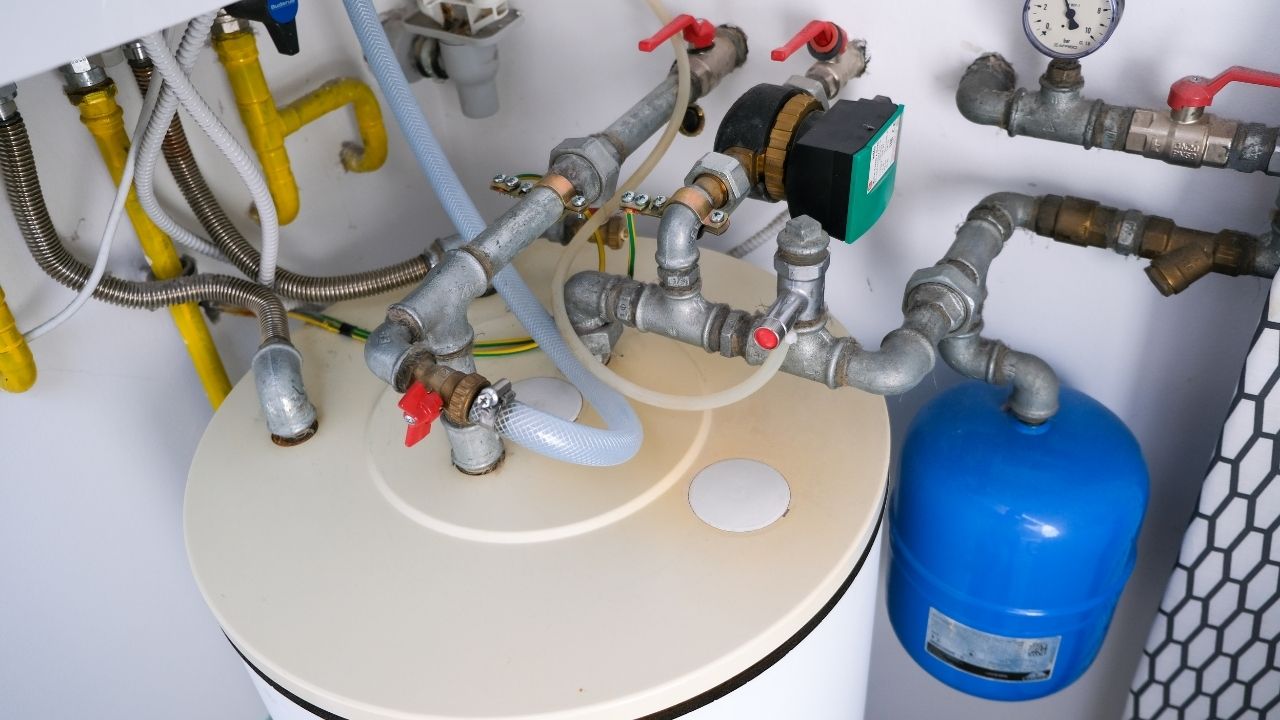
Hot water tank replacement cost in Vancouver depends on your home, your existing setup, and the system you choose. The best way to get an accurate number is a site visit and written quote from a qualified contractor.
Eco Pro Heating & Cooling has been serving North Vancouver and Greater Vancouver for over 20 years. Our certified team will help you find the right water heater for your home and budget — with transparent pricing, no hidden fees, and a warranty you can count on.
Contact Eco Pro today for a free, no-obligation quote on hot water tank replacement.
How much does hot water tank replacement cost in Vancouver in 2026?
Costs vary by system type. A standard tank replacement typically runs $1,200–$2,500 installed. Tankless gas systems range from $3,000–$6,000, electric tankless from $1,500–$4,000, and heat pump water heaters from $2,500–$5,000. Your specific home and installation requirements will determine your exact quote.
How long does hot water tank replacement take?
Most standard tank replacements are completed in two to four hours. Tankless installations or jobs requiring venting or electrical upgrades may take a full day. We'll give you a realistic timeline as part of your quote.
How do I know if I need a repair or a full replacement?
If your tank is under 10 years old and the issue is minor — a failed element, a faulty thermostat — repair often makes sense. If it's over 10–12 years old, leaking, or showing signs of internal corrosion, replacement is almost always the better investment.
Does hot water tank replacement require a permit in Vancouver?
In most cases, yes — particularly when gas or significant electrical work is involved. A reputable contractor will handle permit requirements as part of the job.
What's the lifespan of a new hot water tank?
Traditional storage tanks typically last 10–15 years. Tankless systems generally last 15–20 years with proper maintenance. Heat pump water heaters are also in the 15–20 year range.
Can I switch from a tank to tankless during my replacement?
Yes — and many homeowners take the opportunity to upgrade when their existing tank reaches end of life. We'll assess your home's electrical and gas infrastructure and let you know if any upgrades are needed to support a tankless system.
Does Eco Pro offer a warranty on water heater installations?
Yes — every installation comes with our additional 3-year in-house warranty on parts and labour, on top of any manufacturer coverage.

EcoPRO. All rights reserved. Our website services, content, and products are for informational purposes only.