Few home problems are as stressful or costly as frozen pipes. When temperatures drop, water inside your plumbing can freeze, expand, and crack the pipe from the inside. The real damage often appears later, when the ice thaws and water begins leaking into walls, ceilings, or floors. Understanding how to prevent a pipe from freezing is one of the most important steps homeowners can take to protect their property during cold weather.
This guide explains why pipes freeze, which pipes are most at risk, and exactly what you should do before and during winter to avoid frozen pipe emergencies.
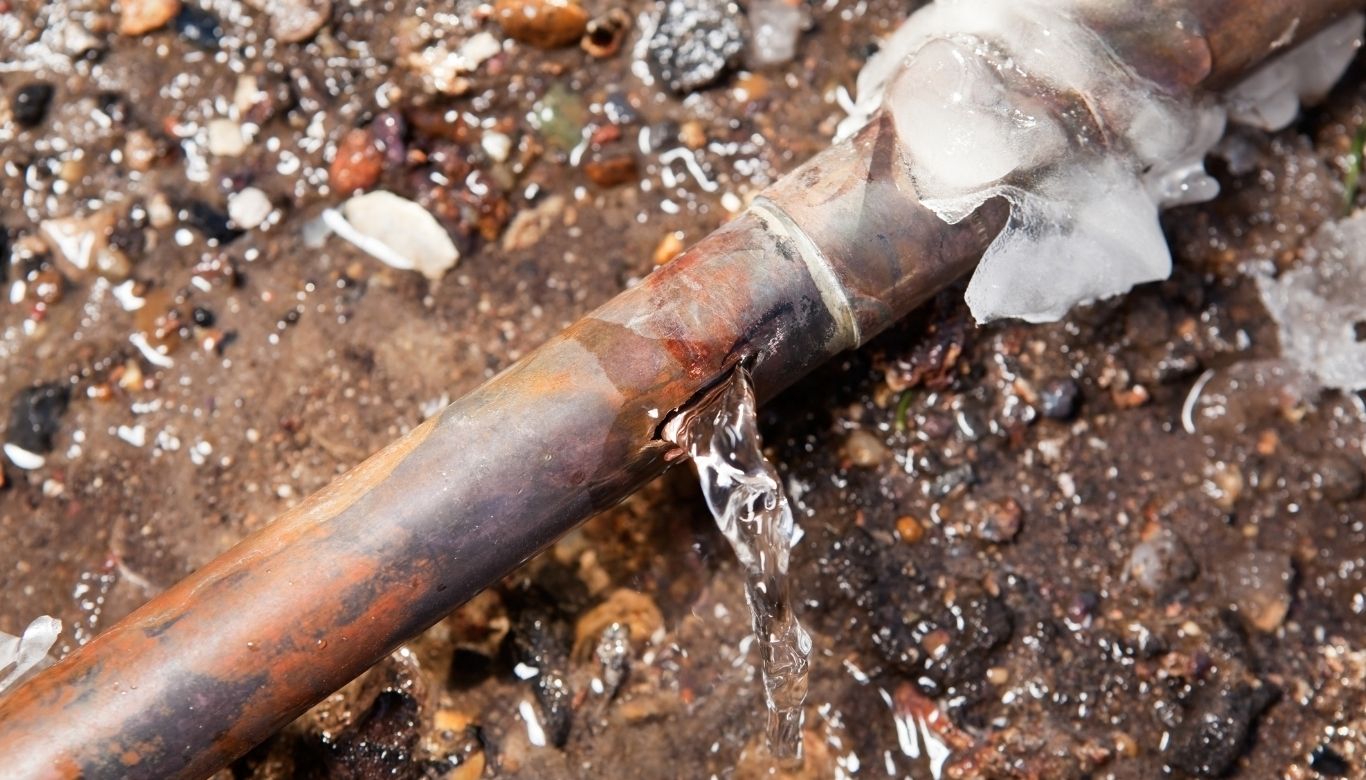
Water expands when it freezes. As ice forms inside a pipe, pressure builds rapidly. Even strong metal pipes cannot withstand this expansion indefinitely. Plastic pipes are also vulnerable and can split or rupture under pressure.
What makes this especially dangerous is that pipes often burst while frozen but do not leak until temperatures rise. By the time you notice water damage, flooding may already be extensive. Learning how to prevent a pipe from freezing is far easier and cheaper than dealing with repairs and water damage after the fact.
Not all pipes face the same level of risk. Certain locations are far more vulnerable during cold weather.
Pipes most likely to freeze include:
• Outdoor hose bibs and faucets
• Water supply lines in garages
• Pipes in crawl spaces and attics
• Plumbing along exterior walls
• Basement pipes near foundation walls
• Pipes under kitchen and bathroom cabinets
• Swimming pool and sprinkler supply lines
If you are unsure where these pipes run in your home, identifying them is the first step in understanding how to prevent a pipe from freezing effectively.
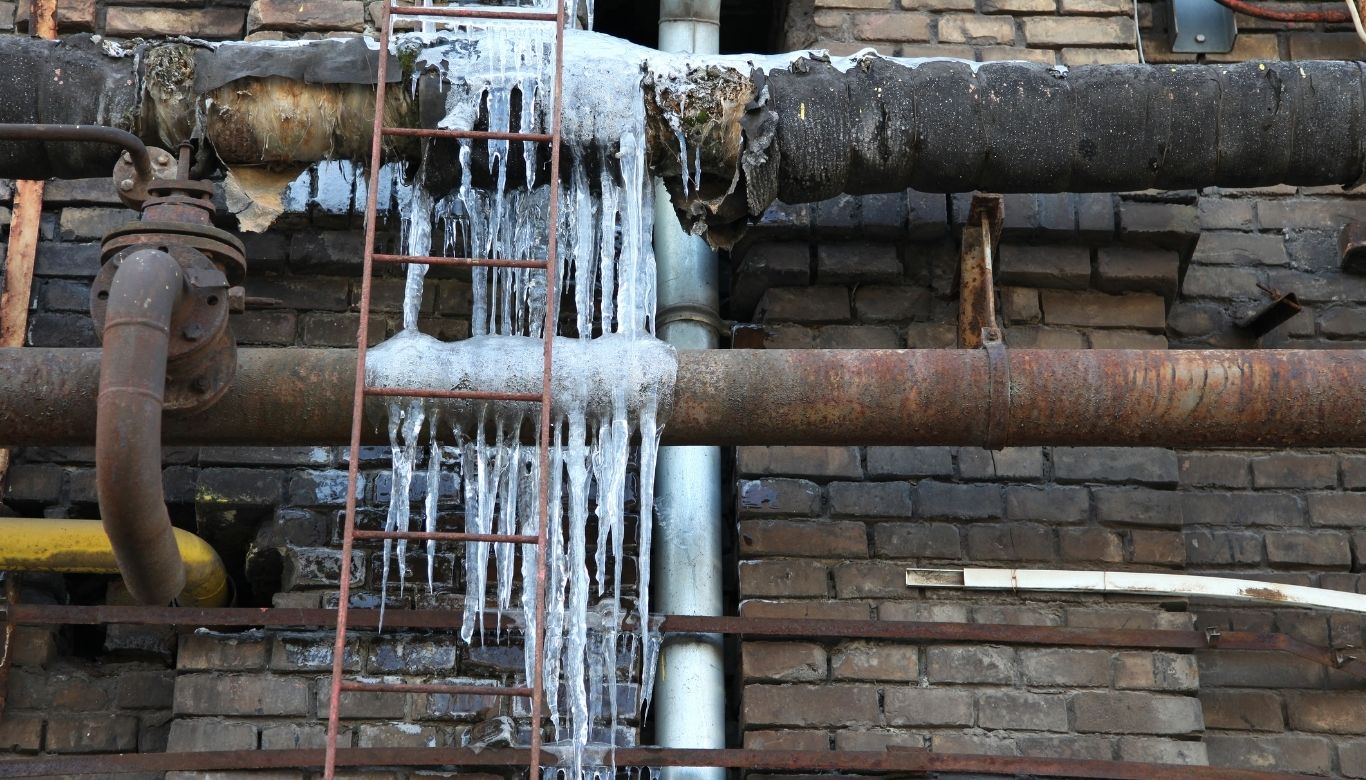
Insulation is one of the most reliable ways to protect plumbing. Exposed pipes lose heat quickly, especially in unheated areas.
Foam pipe sleeves are inexpensive and easy to install. They create a thermal barrier that slows heat loss and reduces freezing risk.
Basements, crawl spaces, and attics should be insulated to maintain higher ambient temperatures. Even modest insulation improvements can make a major difference.
Many homeowners insulate only cold water pipes. Hot water pipes can freeze too, especially when not in use.
Proper insulation is a core part of how to prevent a pipe from freezing, especially in older homes with minimal thermal protection.
Cold air infiltration is a major contributor to frozen pipes. Even a small draft can chill plumbing enough to cause freezing.
Check for air leaks around:
• Windows and doors
• Dryer vents
• Electrical wiring penetrations
• Pipe entry points
• Garage doors
Use caulking or weatherstripping to seal gaps. This step improves energy efficiency and plays a critical role in how to prevent a pipe from freezing.
Outdoor plumbing freezes faster than indoor pipes because it is directly exposed to cold air.
Before winter:
• Disconnect and drain all hoses
• Shut off interior valves feeding outdoor faucets
• Open outdoor taps to allow residual water to drain
• Leave outdoor faucets open once drained
These steps remove trapped water that could freeze and crack the pipe. Outdoor faucet protection is one of the most overlooked aspects of how to prevent a pipe from freezing.
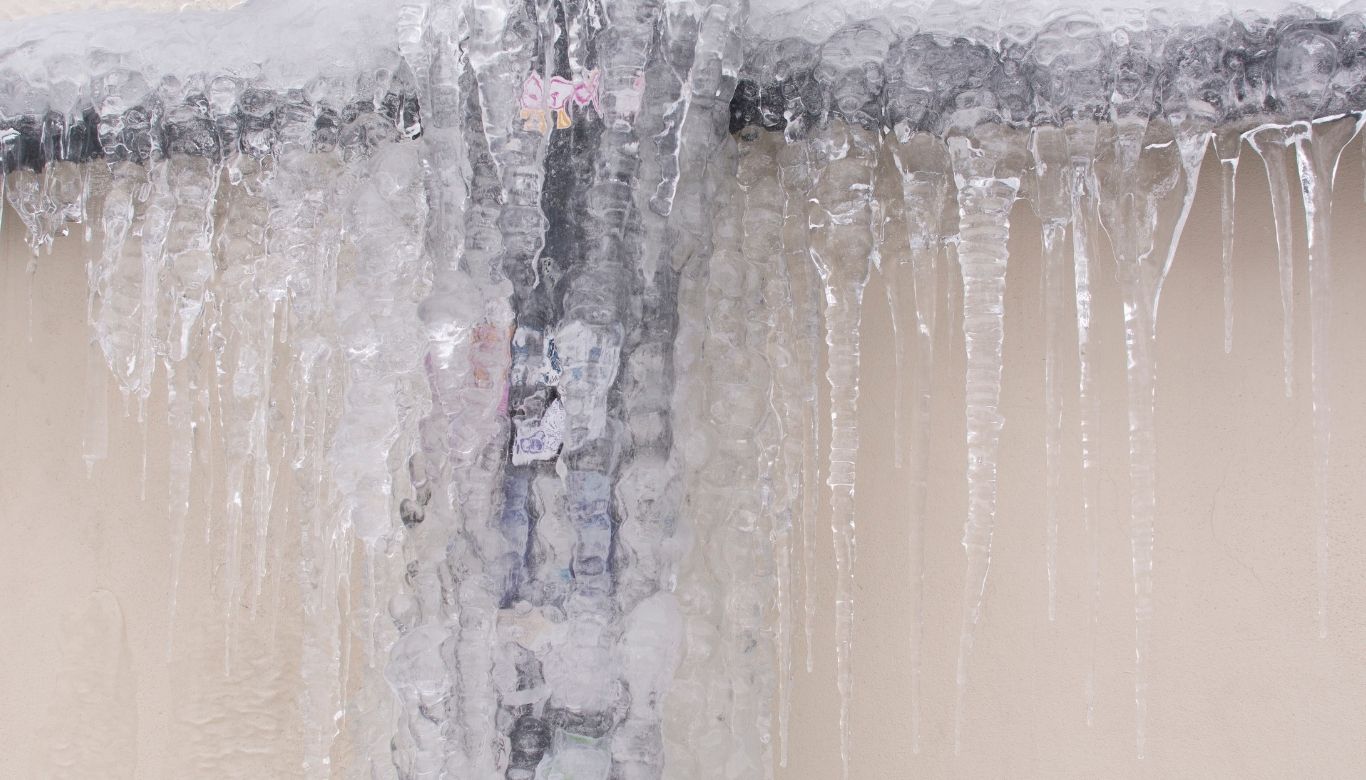
Sudden drops in indoor temperature increase freezing risk.
To reduce risk:
• Keep the thermostat set to the same temperature day and night
• Avoid lowering heat significantly when sleeping
• Maintain indoor temperatures above 55°F or 13°C
Lowering the heat slightly may save energy, but it can cost far more if a pipe freezes and bursts. Consistent heating is essential to how to prevent a pipe from freezing.
Pipes under sinks are often located against exterior walls. These pipes may not receive enough warm air.
During cold weather:
• Open kitchen and bathroom cabinet doors
• Allow warm air to circulate around plumbing
• Remove cleaning products from reach of children if cabinets are left open
This simple step improves airflow and reduces the risk of freezing in vulnerable areas.
Running water is less likely to freeze than standing water. When temperatures drop well below freezing, allowing a small flow of water can protect pipes.
Tips for safe dripping:
• Let cold water drip slowly from affected faucets
• Focus on pipes located near exterior walls
• Ensure drains remain clear
While this increases water usage slightly, it is a proven technique in how to prevent a pipe from freezing during severe cold snaps.
Garages are often colder than the rest of the home. If water lines run through the garage, open doors allow freezing air to reach pipes.
During winter:
• Keep garage doors closed as much as possible
• Seal gaps around the garage door frame
• Insulate shared walls between garage and living space
This step is especially important for homes with water meters or supply lines in the garage.
For pipes that remain exposed despite insulation, heat tape can provide additional protection.
Important considerations:
• Use only UL listed heat tape products
• Follow manufacturer instructions carefully
• Inspect heat tape annually
• Avoid overlapping cables
Heat tape is not a replacement for insulation but can be an effective addition to how to prevent a pipe from freezing in high risk areas.
If you plan to travel during cold weather, extra precautions are necessary.
Before leaving:
• Keep heat set above 55°F or 13°C
• Shut off the main water supply if possible
• Drain interior plumbing where feasible
• Ask someone to check your home regularly
Taking these steps protects your home while you are away and reinforces best practices for how to prevent a pipe from freezing.
Even with precautions, pipes can still freeze under extreme conditions.
Warning signs include:
• Little or no water flow from faucets
• Frost on exposed pipes
• Strange smells from drains
• Unusual sounds when turning taps
If you suspect freezing, act immediately to reduce damage.
If you believe a pipe is frozen, avoid dangerous thawing methods.
Never:
• Use open flames or blowtorches
• Use propane or kerosene heaters
• Leave electrical heating devices unattended
If you cannot safely access the frozen pipe or restore water flow, contact a licensed plumber.
If freezing happens repeatedly, there may be hidden issues such as poor insulation, pipe placement, or airflow problems. A plumber can assess your home and recommend long term solutions.
Professional guidance is often the final step in fully understanding how to prevent a pipe from freezing in your specific home.
Frozen pipes cause more damage than almost any other winter home issue. Fortunately, most freezing problems are preventable with preparation, insulation, airflow management, and consistent heating. Learning how to prevent a pipe from freezing protects your home, saves money, and gives you peace of mind during cold weather.
Taking action before temperatures drop is always easier than dealing with burst pipes after the fact.
Whether you’re dealing with a stubborn pilot light, a noisy blower, or just want to keep your HVAC system running smoothly year-round — Eco Pro Heating & Cooling has your back.
See available grants and rebates
Contact us anytime — we’re available 24/7
We’ve been proudly serving Vancouver and the North Shore for over 20 years, with 300+ 5-star reviews and a commitment to getting it 100% right — or it’s 100% free. Call us today at (604) 725-4485 or get a free quote and let’s bring comfort back to your home.

EcoPRO. All rights reserved. Our website services, content, and products are for informational purposes only.