If you have never used a gas fireplace before, the first question you may ask is how to switch on a gas fireplace safely and correctly. Gas fireplaces are designed to be convenient, efficient, and simple once you understand the controls, but every model is slightly different. Some have a standing pilot light, others use an electronic ignition system, and many include remotes, wall switches, or smart controls.
This guide walks you step by step through how to switch on a gas fireplace, how to troubleshoot common ignition issues, and how to keep your unit operating safely through winter.
Before learning how to switch on a gas fireplace, you need to identify the type of system you have. Most homes use one of the following:
Older fireplaces and some modern models use a standing pilot flame that stays lit at all times. When you turn the fireplace on, the main burner ignites from this pilot flame.
Newer fireplaces often have electronic ignition systems. These light the pilot flame on demand and turn it off when not in use. This saves energy and reduces gas consumption.
These sealed units draw outdoor air for combustion and exhaust the fumes directly outside. They may use wall switches, thermostats, or remotes.
These operate without a chimney or vent. They often require specific safety steps because they burn gas directly into the room.
Knowing your model helps determine how to switch on a gas fireplace using the right procedure.
When learning how to switch on a gas fireplace, always follow basic safety steps:
• Ensure the glass door is closed, if your unit has one
• Make sure the area around the fireplace is clear
• Check for unusual smells like gas or burning plastic
• Confirm the gas valve is open
• Inspect the pilot assembly if visible
If you ever smell a strong gas odor, stop immediately, turn off the gas supply if safe, leave the home, and call your gas utility provider.

Below is the most common method for homeowners learning how to switch on a gas fireplace. Your manual may vary slightly, but the core steps remain the same.
Most gas fireplaces have a control panel behind a lower access door or hidden behind the front screen. Inside, you will usually find:
• A gas control knob
• A pilot light knob
• An igniter button
• On and off switches
• Thermostat or remote receiver
Take a moment to familiarize yourself with the layout before attempting to turn it on.
If the pilot is not currently lit, rotate the control knob from “Off” to “Pilot.”
Press and hold the knob to allow gas to reach the pilot assembly.
This is the first essential step in understanding how to switch on a gas fireplace with a standing pilot.
While holding the control knob in the “Pilot” position, press the igniter button repeatedly until the pilot flame lights. It may take several tries because gas needs a few seconds to reach the igniter.
If the pilot flame catches, continue holding the control knob for 10 to 20 seconds to allow the thermocouple to heat up.
Slowly release the control knob.
If the pilot stays lit, rotate the knob from “Pilot” to “On.”
If the pilot goes out, repeat the previous steps. If it continues to fail, you may have a dirty thermocouple or low gas pressure.
This sequence is one of the most important parts of learning how to switch on a gas fireplace safely.
Once the pilot is stable, you can activate the main burner through:
• A wall switch
• A remote control
• A thermostat
• An integrated control switch
When the burner ignites, you should see a steady flame evenly distributed across the burner ports.
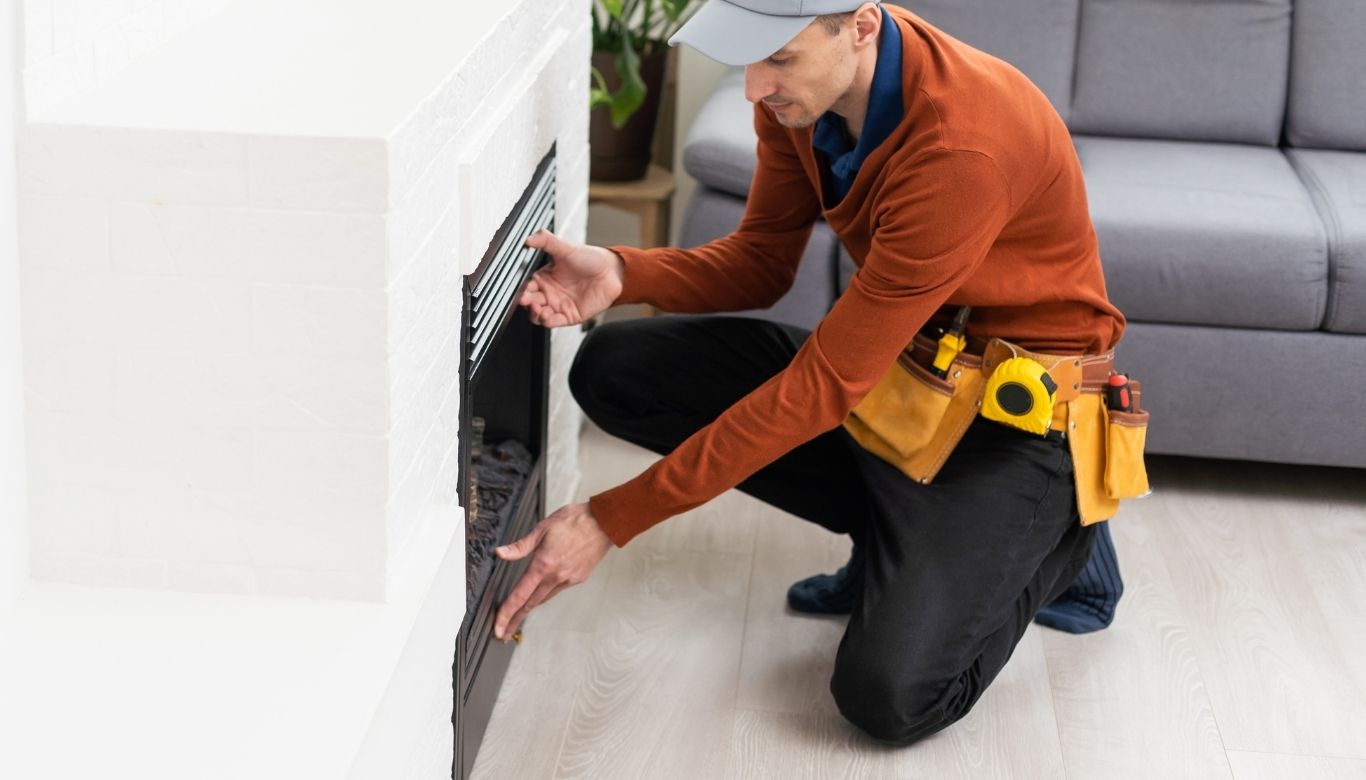
Many homeowners ask how to switch on a gas fireplace that uses electronic ignition. These models simplify the process because they often do not require manual pilot lighting.
If your remote does not work, replace the batteries in both the remote and the receiver box inside the fireplace.
If your system includes a wall switch, turning it on is simple, but you still need the pilot light active.
To use a wall switch:
• Turn the pilot knob to “On”
• Flip the wall switch to activate the main burner
• Adjust flame height at the control panel if your model allows it
Even if you understand how to switch on a gas fireplace, ignition problems can occur due to wear, dust, or gas pressure changes. Here are the most common issues homeowners face.
If the flame is tiny, yellow, or flickering, the pilot assembly may be dirty. Dust, debris, or soot can block the gas flow.
These safety sensors detect heat from the pilot flame. If they fail, the system will not stay on.
Electronic systems require electricity.
Check:
• Breakers
• Batteries
• Wiring in the control box
If none of your gas appliances work properly, your home may have a larger gas supply problem requiring professional service.
Knowing how to troubleshoot is part of mastering how to switch on a gas fireplace safely and consistently.
.jpg)
A gas fireplace needs periodic maintenance to stay reliable. Even if you know how to switch on a gas fireplace, you should also know how to keep it in top condition.
• Annual professional inspection
• Pilot assembly cleaning
• Glass cleaning with approved products
• Checking for soot buildup
• Inspecting the venting system
• Testing carbon monoxide detectors nearby
Consistent maintenance ensures the fireplace turns on quickly, burns cleanly, and operates safely every time.
Call a qualified technician if:
• You smell gas while trying to start the unit
• The pilot light will not stay on
• The igniter will not spark
• The burner lights unevenly
• The pilot flame is yellow instead of blue
Professional servicing prevents bigger issues and keeps your home safe.
Learning how to switch on a gas fireplace is simple once you understand the controls and ignition type. Whether you use a standing pilot, electronic system, or remote controlled ignition, the key steps remain consistent. Start with safety, confirm the pilot is lit, activate the system with your switch or remote, and watch for a stable flame.
With proper care and yearly maintenance, your gas fireplace will continue providing clean, efficient, and reliable heat throughout the colder seasons.
Whether you’re dealing with a stubborn pilot light, a noisy blower, or just want to keep your HVAC system running smoothly year-round — Eco Pro Heating & Cooling has your back.
See available grants and rebates
Contact us anytime — we’re available 24/7
We’ve been proudly serving Vancouver and the North Shore for over 20 years, with 300+ 5-star reviews and a commitment to getting it 100% right — or it’s 100% free. Call us today at (604) 725-4485 or get a free quote and let’s bring comfort back to your home.

EcoPRO. All rights reserved. Our website services, content, and products are for informational purposes only.