Garages across the Lower Mainland rarely stay warm on their own. Between damp winters, cold snaps, and garages that double as workshops or storage spaces, many homeowners begin exploring whether a gas furnace for garage heating makes sense.
In this guide, we break down when a gas furnace for garage use is a smart investment, when it may be unnecessary, and what homeowners in Vancouver and surrounding communities should consider before moving forward. If you are already researching professional installation options, it can help to review Eco Pro’s experienced furnace installers in Vancouver to understand what a properly designed system looks like from the start.
This article is designed to help you make an informed decision, not push a sale. By the end, you should have a clear understanding of whether a gas furnace for garage heating fits your space, usage habits, and local building requirements.
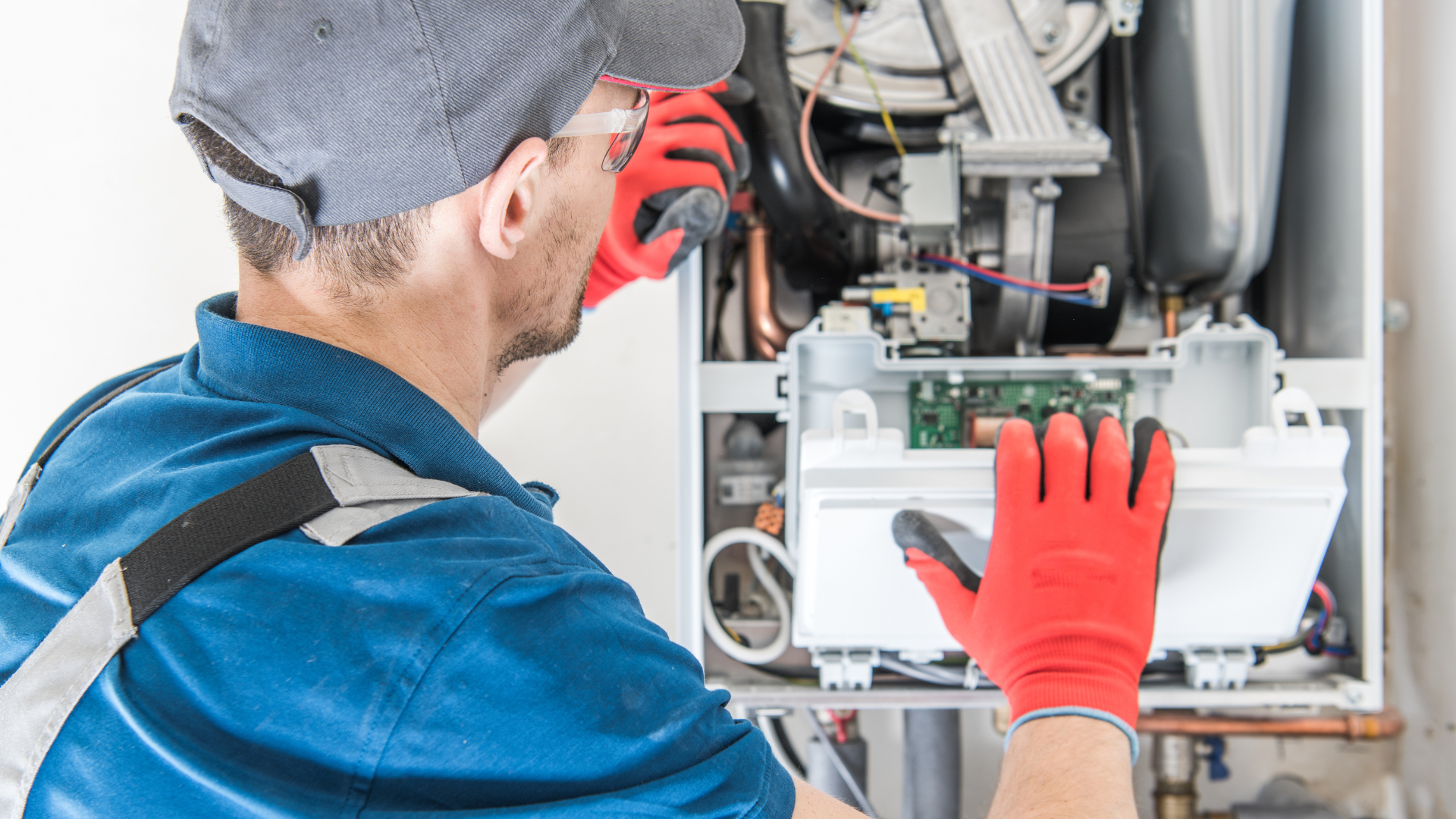
A gas furnace for garage heating is a permanently installed, vented heating system that uses natural gas to heat the space evenly. Unlike portable heaters or temporary electric units, this type of system is designed for long term use and consistent performance.
Most garages that use a gas furnace for garage heating have the unit wall mounted or ceiling mounted. Warm air is distributed directly into the garage, similar to how a forced air furnace heats a home. Because it connects to your home’s gas supply, this setup delivers steady heat even during colder winter conditions.
For many homeowners in the Lower Mainland, a gas furnace for garage heating is considered when the garage is used frequently, attached to living space, or contains plumbing or equipment that should not be exposed to cold temperatures.
Homeowners often start searching for a gas furnace for garage heating when the space becomes more than just a place to park a car. Common scenarios include workshops, home gyms, hobby spaces, or garages with finished rooms above them.
A gas furnace for garage heating is also appealing when cold temperatures begin affecting vehicles, tools, or stored materials. In coastal BC, damp cold air can be just as damaging as freezing temperatures, especially when moisture lingers for long periods.
Comfort is another major factor. If you spend several hours a week in the garage, maintaining a stable temperature makes the space far more usable throughout the winter months.
A gas furnace for garage heating offers several advantages when installed correctly and used for the right purpose.
One major benefit is consistent heat. Gas systems maintain steady temperatures rather than cycling aggressively like small electric heaters. This is especially helpful in attached garages or spaces used daily.
Another advantage is operating cost. Natural gas in British Columbia is generally more cost effective for sustained heating compared to electricity. Over the course of a winter, a gas furnace for garage heating can be more economical for homeowners who rely on the space regularly.
Gas furnaces also heat larger garages more effectively. If your garage is two cars or larger, a gas furnace for garage heating is often more practical than portable options.
Finally, a properly installed system can increase flexibility and perceived home value by turning unused square footage into a functional extension of your living space.
A gas furnace for garage heating is not the right solution for every homeowner. Installation requires professional work, including proper venting, gas line connections, and safety clearances. This makes it a more involved project than purchasing a plug in heater.
Upfront cost is another factor. While long term operating costs can be lower, installation costs are higher than electric alternatives. If the garage is rarely used, the investment may not make sense.
Safety and code compliance are also critical. A gas furnace for garage heating must meet BC building codes, including sealed combustion and ventilation requirements. This is not a system that should ever be installed without licensed professionals.
If your garage is poorly insulated or used only occasionally, other heating options may be more suitable.
.png)
Before committing to a gas furnace for garage heating, it helps to be realistic about how the space is used.
If the garage is used daily or several times a week, maintaining a controlled temperature can significantly improve comfort and usability. In these cases, a gas furnace for garage heating often makes sense.
If the garage is used occasionally for short tasks or storage, installing a permanent gas system may be unnecessary. Infrequent use typically does not justify the installation cost or complexity.
Attached garages with rooms above them tend to benefit the most. Heating the garage can reduce cold floors and drafts in the living space above, particularly in older Lower Mainland homes.
Not all garages require the same heating capacity. Square footage, ceiling height, insulation quality, and whether the space is attached or detached all influence what system is appropriate.
Oversizing a gas furnace for garage heating can lead to inefficiency and discomfort. Undersizing can leave the space underheated. Professional sizing is essential.
Homeowners who want a deeper understanding of how size and layout affect heater selection can review this guide on determining the right size garage heater, which explains how BTU requirements are calculated based on real world conditions.
A properly sized gas furnace for garage heating ensures comfort, efficiency, and long term reliability.
Safety is one of the most important aspects of installing a gas furnace for garage heating. Because gas appliances produce combustion gases, proper venting and sealed combustion chambers are mandatory.
In British Columbia, permits are typically required for gas appliance installation. Clearances, carbon monoxide protection, and ignition source placement must meet strict standards.
This is why professional installation is essential. Eco Pro’s full range of HVAC services includes system design, installation, and ongoing maintenance to support safe, code compliant operation.
Cutting corners with garage heating can create serious risks and should always be avoided.
A gas furnace for garage heating is most efficient when the space is insulated and used consistently. Running a furnace intermittently in an uninsulated garage can increase fuel consumption without delivering meaningful comfort.
Many homeowners set garage temperatures lower than living spaces. Even maintaining a modest temperature can prevent freezing, reduce moisture buildup, and make the space more usable.
Modern thermostats allow for programmable setbacks, helping reduce energy use while still protecting the garage during cold weather.
A gas furnace for garage heating is usually a good fit when the garage is used regularly, insulated reasonably well, and intended as a functional workspace rather than simple storage.
It also makes sense when the garage is attached to the home or supports living space above it. In these cases, heating the garage can improve comfort throughout the house.
If you want guidance based on your specific layout and usage, contact us to discuss your garage setup with a licensed Eco Pro technician.
.png)
If the garage is rarely used or not insulated, other heating solutions may be more appropriate. Electric unit heaters or radiant options can sometimes meet basic needs without the cost of permanent installation.
A gas furnace for garage heating is not intended for every homeowner. Choosing the right system depends on how the space fits into your daily life and long term plans.
Choosing a gas furnace for garage heating means balancing comfort, cost, safety, and usage. For many Lower Mainland homeowners, it is a practical way to turn an underused space into something functional year round.
For others, simpler alternatives may be enough. Understanding your priorities is the first step.
If you would like a professional assessment or want to explore installation options, contact us to speak with a local expert.
Do I need a permit to install a gas furnace for garage heating?
Yes. In most BC municipalities, permits are required for gas appliance installation. Licensed contractors handle this process and ensure compliance.
Can a gas furnace for garage heating be installed in a detached garage?
Yes, provided there is access to a gas supply and proper venting. Installation complexity may be higher than for attached garages.
How often does a gas furnace for garage heating need maintenance?
Annual inspections are recommended to ensure safe operation, clean components, and proper ventilation.
Will a gas furnace for garage heating work in an uninsulated garage?
It can, but efficiency will be reduced. Insulation significantly improves comfort and operating costs.
Is a gas furnace for garage heating safe around vehicles and stored items?
When installed correctly with sealed combustion and proper clearances, it is safe. Professional installation is essential.

EcoPRO. All rights reserved. Our website services, content, and products are for informational purposes only.