Choosing a heat pump in Canada is a very different decision from choosing one in a mild climate. Canadian winters demand equipment that can maintain consistent heating output when temperatures drop well below freezing - not just coast along on mild days. If you're researching the best heat pump for cold weather in Canada, this guide breaks down the top brands, what makes a system genuinely cold-climate capable, and what to look for before you buy.
For a recommendation specific to your home, our heat pump installation team serves North Vancouver and the greater Lower Mainland and can assess what will perform best for your situation.
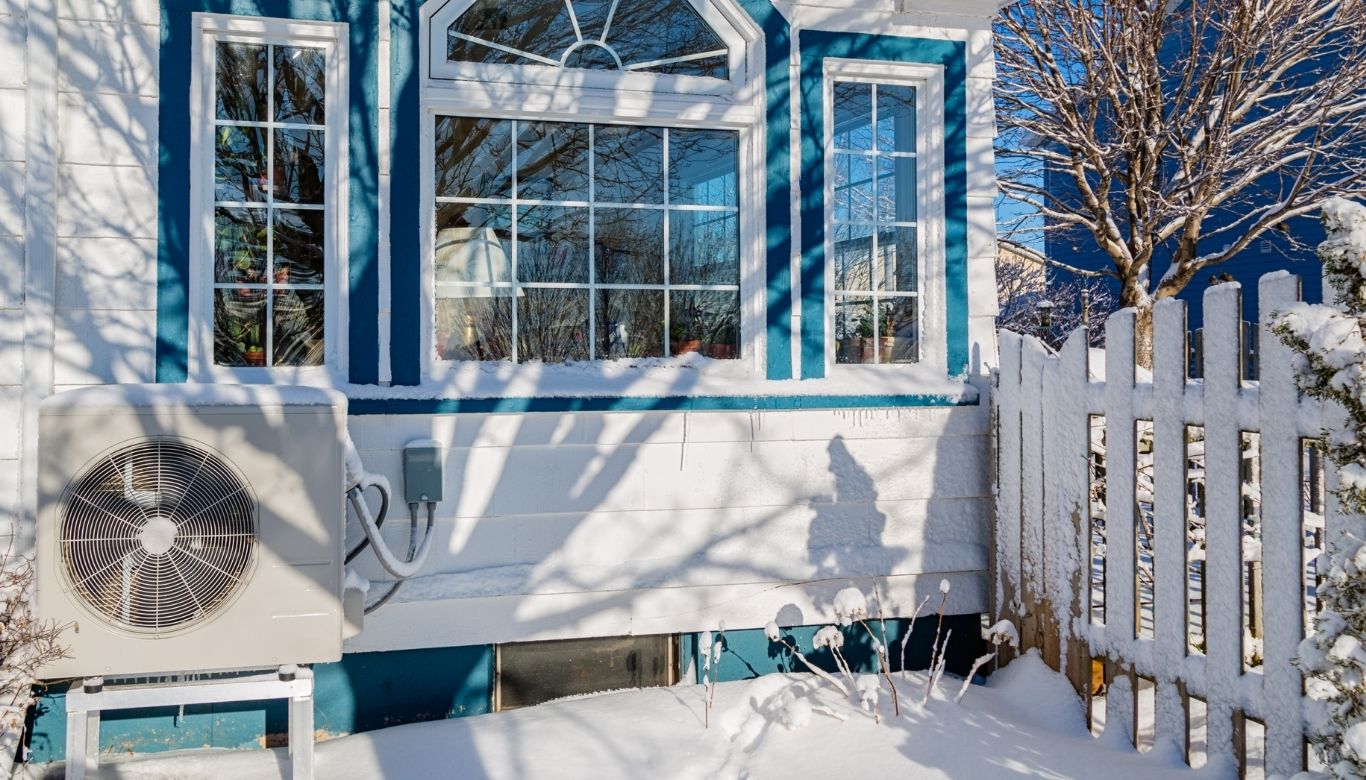
Not every heat pump marketed as "efficient" is built for a Canadian winter. A system qualifies as a true cold climate unit when it can:
This last point matters for rebates too. In BC, heat pumps must appear on the CleanBC eligible product list and be installed by an HPCN-registered contractor to qualify for provincial incentives. Not every model within a brand family qualifies, so verifying the specific model number before purchase is essential.
Mitsubishi is consistently the top recommendation from installers across BC and Canada for cold weather performance. Their Hyper-Heating INVERTER (H2i) technology - found in the Zuba Central ducted line and the MSZ-FS ductless series - is specifically engineered for Canadian conditions.
What sets Mitsubishi apart in 2026:
For homeowners in areas that regularly see extended cold snaps below -10C, Mitsubishi's track record is unmatched. It's the most-recommended system for BC's colder Interior communities and a strong choice on the North Shore too.
Fujitsu's Halcyon XLTH line is one of the most-rebated cold climate options in BC and consistently earns high marks for quiet operation and cold weather output. The compact outdoor unit suits tighter installations, which matters in North Vancouver and Vancouver's denser neighbourhoods.
Key strengths in 2026:
For homeowners where noise and space are considerations, Fujitsu is often the preferred alternative to Mitsubishi.
Daikin's Aurora and FIT series have become the go-to ducted recommendation for homes over 2,000 square feet. The FIT's side-discharge outdoor unit takes up significantly less space than conventional units, making it a practical choice for tight lots and retrofit situations.
What makes Daikin stand out:
Daikin's dealer network is strongest on the coast and in the Okanagan, with slightly thinner coverage in the Interior.
Napoleon is a Canadian brand that designs and tests its systems for Canadian conditions. The NHP cold climate ductless line offers genuine cold weather performance at a price point typically $2,000 to $3,000 below the Japanese brands.
Why Napoleon is worth considering:
Napoleon is a particularly sensible choice when the installation budget is a significant constraint and performance needs are met by their cold climate lineup.
For whole-home ducted systems, Carrier's Greenspeed series and Trane's top-tier models are well-regarded for reliability and cold weather capability. Both use variable speed compressor technology and have extensive dealer networks across Canada.
They're not typically the first recommendation for BC's coldest conditions - Mitsubishi and Fujitsu lead there - but for homes with existing ductwork looking for reliable whole-home heating and cooling, both are solid options backed by long track records.
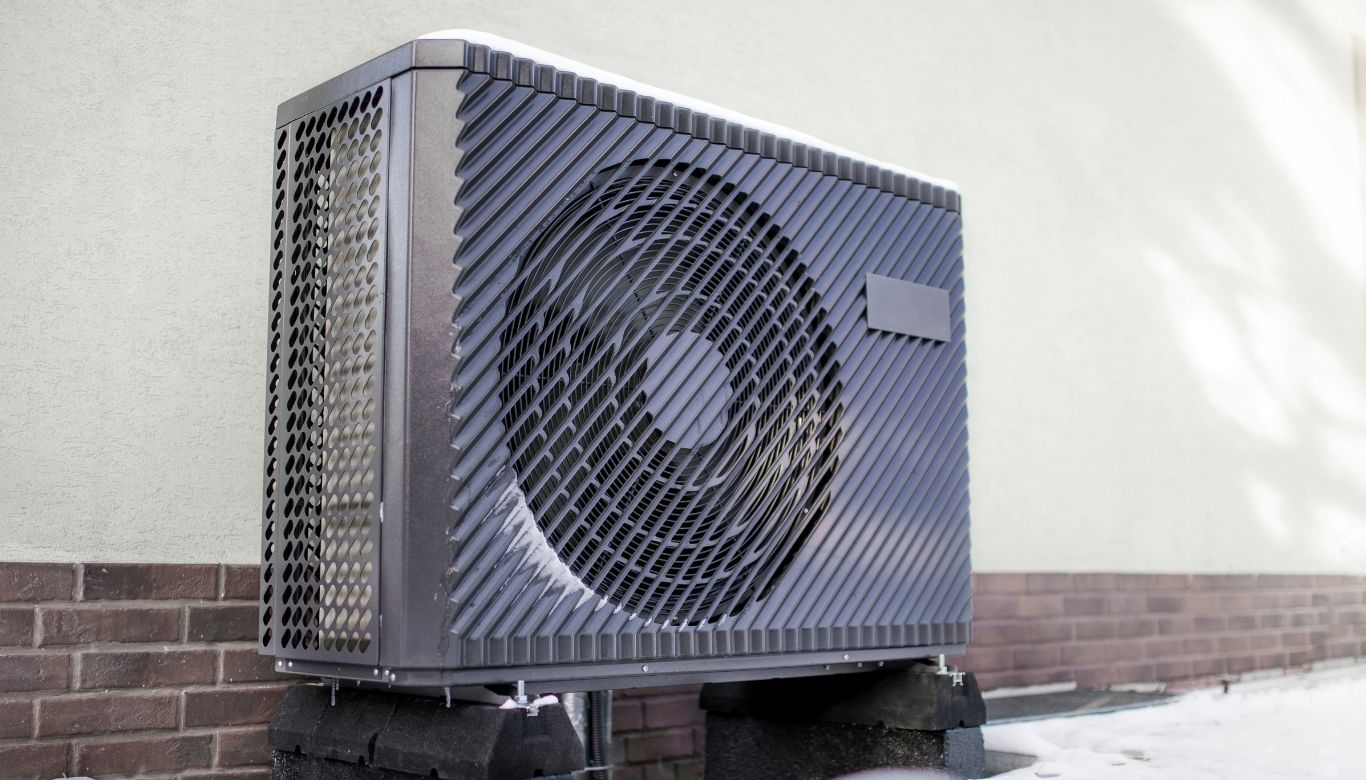
Brand is only part of the equation. A few other factors matter just as much.
Ducted vs. ductless. If your home has existing forced-air ductwork in good condition, a ducted system like the Daikin FIT, Mitsubishi Zuba Central, or Carrier Greenspeed integrates cleanly. Without ductwork, a ductless mini-split or multi-split system is the practical path.
Your coldest temperatures. Most cold climate models are rated to -25C or -30C, but real-world performance at those extremes varies. For Interior BC locations that regularly see -20C or colder for extended periods, Mitsubishi's track record is the most proven. For the Lower Mainland and North Shore - where temperatures rarely fall below -10C - any of the top brands will perform comfortably.
CleanBC rebate eligibility. Verify your chosen model is on the CleanBC eligible product list before purchasing. Our rebates and grants page covers the BC programs currently available.
Proper sizing. A heat pump sized by rule of thumb rather than a proper heat load calculation will either run constantly and fall short on cold days, or short cycle and wear out early. A program-approved Manual J calculation is required for most rebate applications and is the right approach regardless.
Installation quality. A premium Mitsubishi installed poorly will underperform a mid-range system installed correctly. The brand gets you to the door - the installation determines long-term performance. All Eco Pro technicians are red-sealed and certified, and we're HPCN members, which is required for BC rebate eligibility.
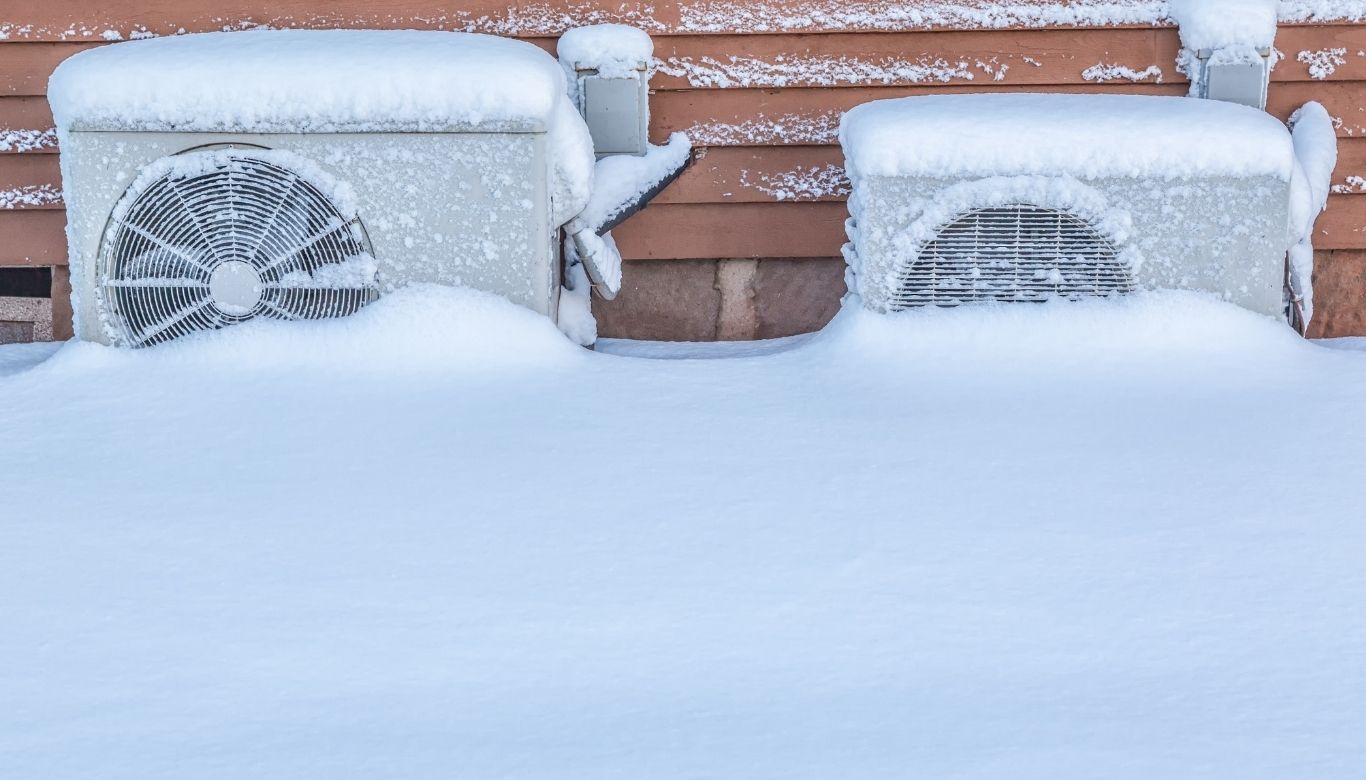
The best heat pump for cold weather in Canada is the one that's correctly sized for your home, installed by a qualified contractor, and matched to your local climate conditions. The brands above all make strong cold weather systems - but the decision should start with your home, not a brand name.
Eco Pro Heating & Cooling has been installing heat pumps across North Vancouver and the Lower Mainland for over 20 years. Our team can assess your home, recommend the right system, and handle the installation and rebate paperwork from start to finish. Contact us for a free quote and we'll take it from there.
What is the best heat pump for cold weather in Canada in 2026?
Mitsubishi's Hyper-Heat line - including the Zuba Central for ducted homes - is the most consistently recommended option for cold weather performance in Canada. Fujitsu's Halcyon XLTH and Daikin's Aurora and FIT series are also strong performers, particularly for BC homeowners.
Can a heat pump handle a Canadian winter without backup heat?
Modern cold climate heat pumps are rated to -25C to -30C and can handle most Canadian winters on the coast and in southern BC without supplemental heat. For Interior communities that regularly see -25C or colder for extended periods, a hybrid setup with a gas backup is the more reliable choice.
What does ccASHP mean?
Cold-climate air source heat pump. It's a designation that requires the system to maintain rated heating capacity at -25C. In BC, ccASHP-rated systems are typically required to qualify for CleanBC rebates.
Do I need to use a specific contractor to qualify for BC heat pump rebates?
Yes. The system must be installed by a Technical Safety BC licensed contractor who is a registered member of the Home Performance Contractor Network (HPCN). Eco Pro is a registered HPCN member.
How do I know if a specific heat pump model qualifies for CleanBC rebates?
Check the CleanBC eligible product list at betterhomesbc.ca before purchasing. Not every model within a brand family qualifies, so confirming the specific model number is important.
How important is proper sizing for cold climate performance?
Very. An undersized system will struggle on the coldest days regardless of brand. A proper heat load calculation - not a rule of thumb estimate - is required for most BC rebate programs and is the right approach for any installation.

EcoPRO. All rights reserved. Our website services, content, and products are for informational purposes only.