A gas fireplace is one of the easiest ways to add warmth and comfort to your home. It delivers steady heat, simple controls, and a clean flame without the hassle of wood. But like any heating system, it can develop issues over time. Catching those issues early is the best way to avoid mid-winter breakdowns, safety risks, and expensive emergency visits. If you want to stay ahead of problems, here are the most common signs you need gas fireplace repair and what they usually mean.
A healthy gas fireplace should ignite quickly and reliably. If you notice delays, clicking sounds that never lead to ignition, or inconsistent lighting, it is time to look closer.
• A weak thermopile or thermocouple that is not generating enough voltage
• A faulty ignition system
• Loose wiring or worn electrical components
• Low gas flow reaching the unit
When ignition hesitates, the system is telling you something is not functioning correctly. Early gas fireplace repair can prevent a complete failure later in the heating season.
A pilot light that refuses to stay lit is one of the most common homeowner complaints. If you relight it only to watch it die again minutes or hours later, there is an underlying issue that needs attention.
• A dirty or failing thermocouple
• Low gas pressure
• Excess airflow or downdrafts blowing out the flame
• A clogged pilot assembly
Pilot light issues often get worse as winter approaches because cold air can intensify draft problems. Professional gas fireplace repair ensures the flame stays stable and safe.

A gas fireplace should never produce a strong or unsettling odor. Mild smells from new paint or manufacturing residue can occur in the first few uses, but anything beyond that needs attention.
• A rotten or sulfur-like smell that suggests a gas leak
• A burning scent from electrical components
• A dusty smell caused by debris inside the firebox
• A smoky or hot odor coming from the venting system
Gas leaks require immediate action. Turn off the unit, open windows, and leave the home until professionals can investigate. Any unexpected odor is a clear sign you need gas fireplace repair right away.
Most gas fireplaces use high-temperature ceramic glass. Over time, minerals from the gas supply and moisture in the air can form a white film on the inside of the glass.
• Residue building up from normal burning cycles
• Infrequent cleaning or skipped maintenance
• Incorrect air-to-fuel ratios inside the fireplace
If the glass becomes difficult to see through, the fireplace may not be burning efficiently. A technician can clean the glass safely and check the combustion mix during a gas fireplace repair visit.
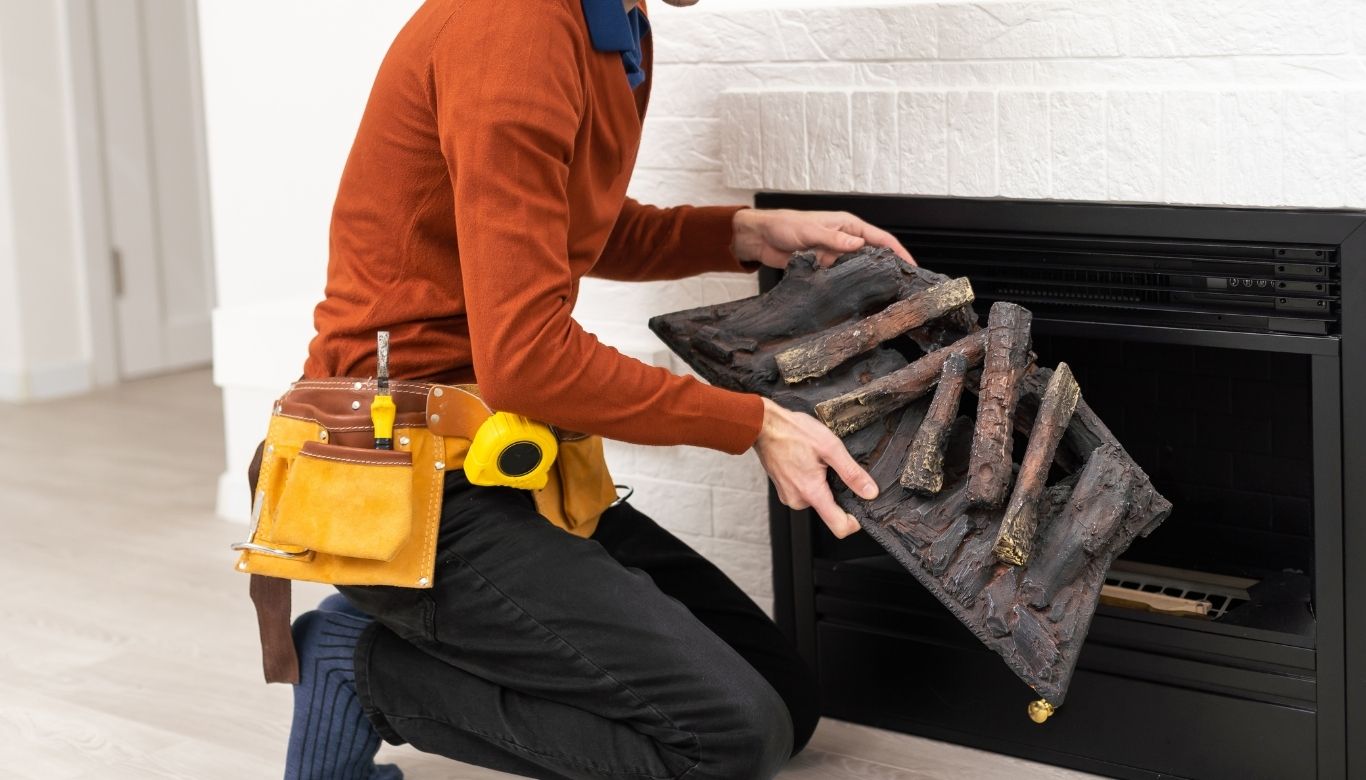
A declining heat output is one of the clearest signs that something inside your fireplace is not operating correctly. Homeowners often notice this when the temperature drops and the unit struggles to warm the area like it once did.
• Worn or partially blocked burners
• Poor combustion due to dust or debris
• Incorrect gas pressure
• A fireplace that no longer matches the size of the room
A routine gas fireplace repair appointment can restore performance, improve efficiency, and prevent more serious internal issues.
Gas fireplaces are designed to produce a stable flame that burns cleanly and consistently. If the flame looks weak, flickers, or shifts in height, there is a mechanical or gas flow issue that needs to be addressed.
• Dirty burners or ports
• Inconsistent voltage in the ignition system
• A failing thermocouple
• Improper airflow
Irregular flames are more than a cosmetic concern. They point to conditions that can worsen over time, and a trained technician can restore proper operation through targeted gas fireplace repair.
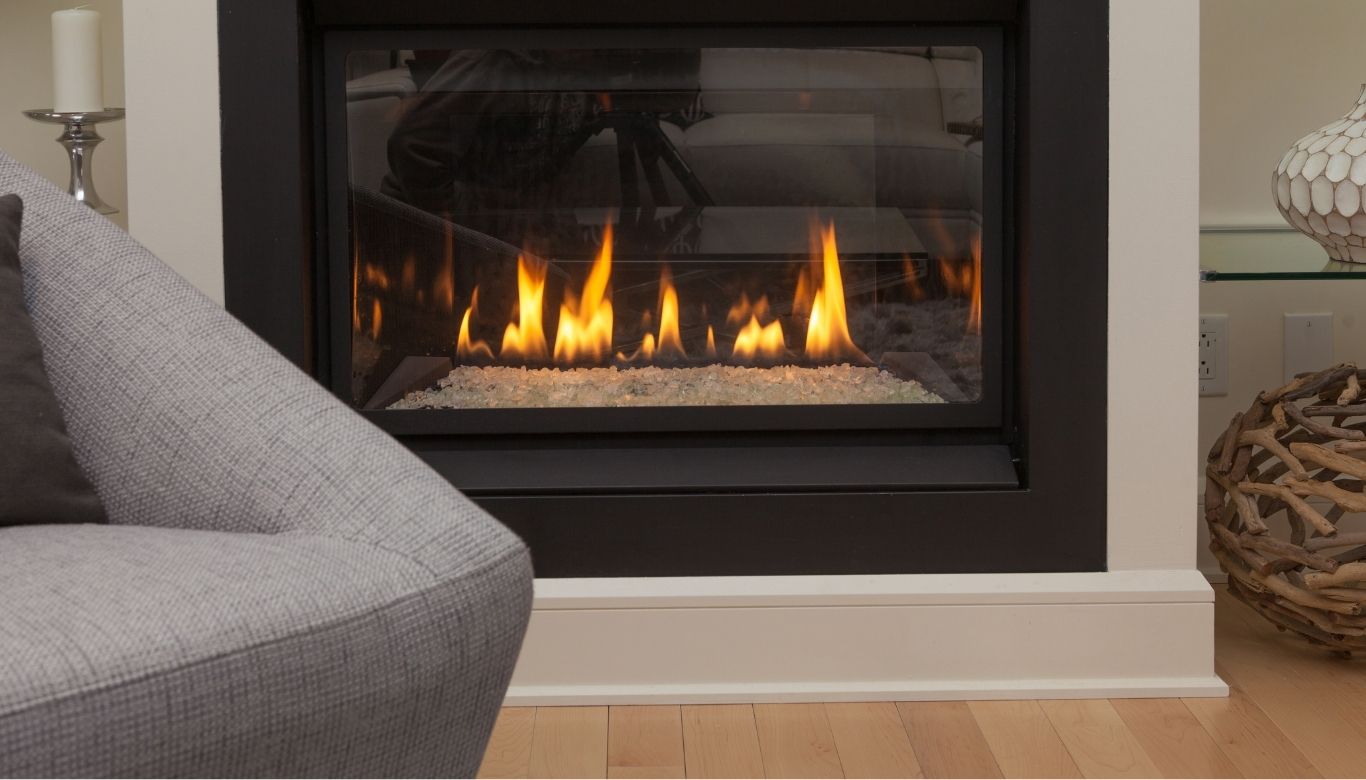
Most gas fireplaces operate quietly. A soft blower hum or faint ticking as metal warms is normal. Anything beyond that is not.
• Rumbling caused by too much gas flow
• Grinding or squealing from a worn blower
• Sharp clicking or popping from dirty burners
• Buzzing or humming caused by electrical issues
Noises are often early indicators of mechanical wear. Addressing them quickly with gas fireplace repair prevents more significant failures later.
Gas fireplaces should burn clean. If you notice soot buildup, blackening around the vent, or residue inside the firebox, something is disrupting the combustion process.
• The fireplace is burning too much fuel
• The air supply is blocked
• The vent is partially obstructed
• A burner is malfunctioning
Soot is more than a nuisance. It signals improper combustion and can lead to carbon monoxide risks if ignored. A technician can adjust air and gas flow, clean the vent, and restore safe performance with proper gas fireplace repair.
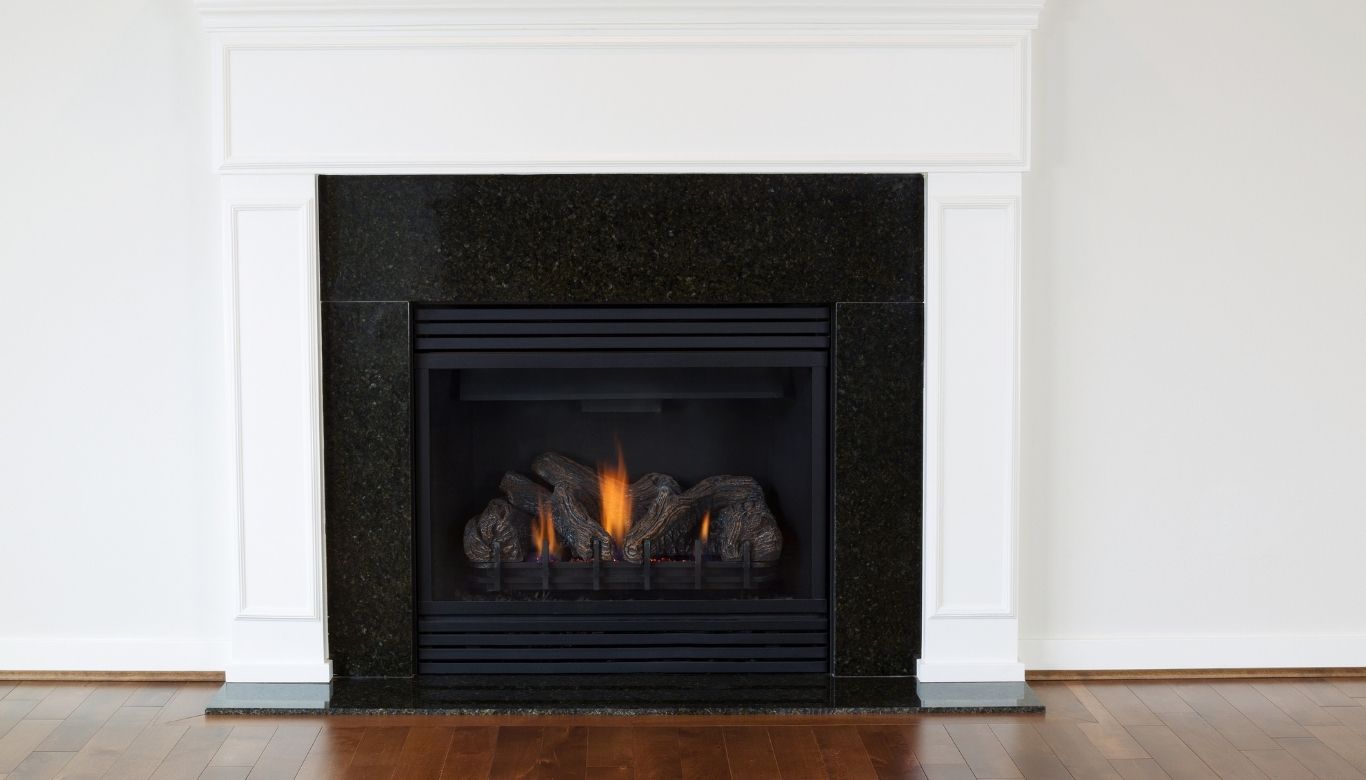
Many homeowners overlook this sign because it seems minor, but a nonresponsive remote or switch can point to deeper electrical issues.
• Dead remote batteries
• Sensor malfunctions
• Wiring problems behind the firebox
• A failing control module
If replacing batteries does not help, a technician can diagnose and repair the electrical components during a scheduled gas fireplace repair appointment.
A carbon monoxide alarm is an immediate red flag. Even small ventilation issues can allow carbon monoxide to enter the home. Do not use the fireplace again until the cause is identified and repaired.
• A blocked or failing vent
• Damaged internal components
• Incorrect fuel-to-air ratios
• Soot blocking airflow
This is one of the most serious reasons to request emergency gas fireplace repair.
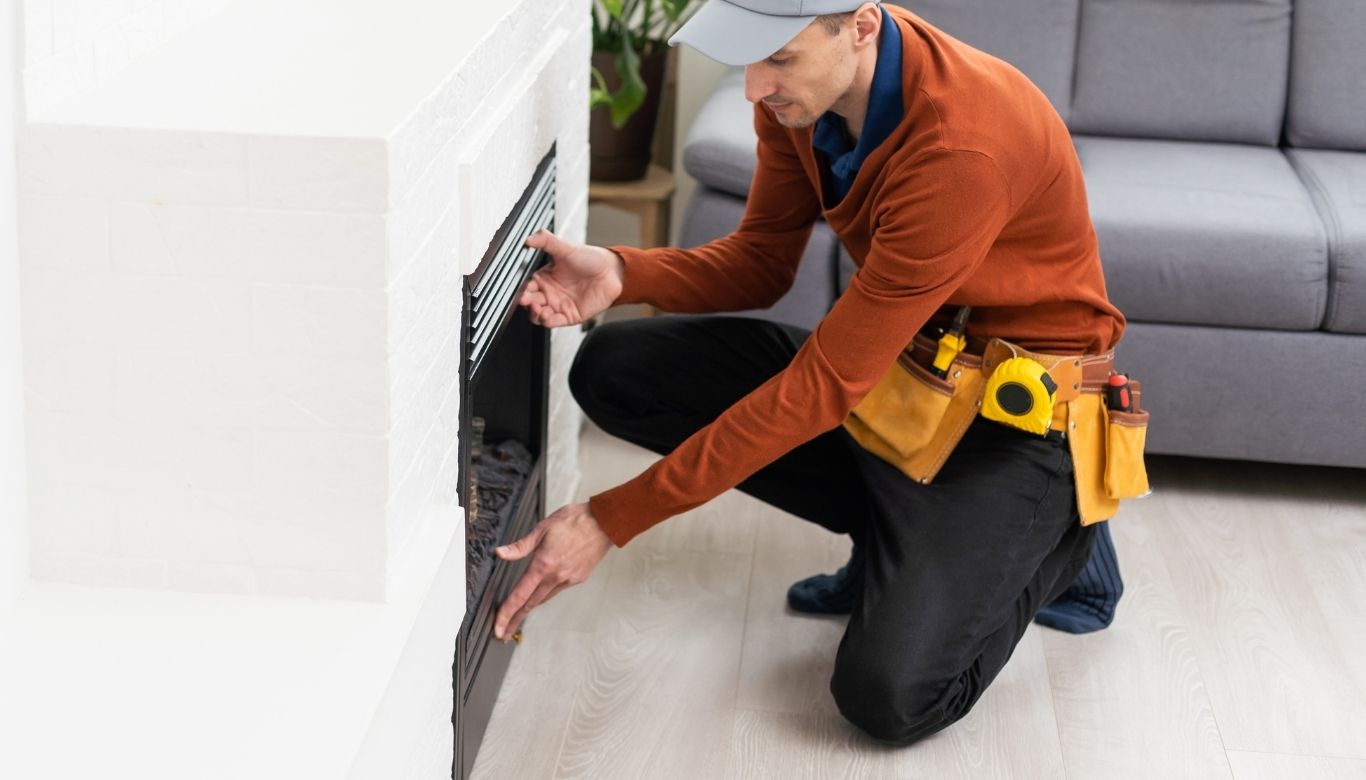
Most gas fireplace problems start small. A dirty sensor, loose wire, or clogged burner can easily escalate into a broken ignition system, a cold living room, or a safety hazard. If you notice any of the signs above, scheduling early gas fireplace repair ensures your system is ready before winter arrives.
During a service visit, a technician will typically:
• Clean and adjust the pilot assembly
• Inspect all gas lines and connections
• Test burners and flame quality
• Check wiring and controls
• Clear venting pathways
• Clean glass and internal components
• Confirm safe operation
This type of maintenance keeps your fireplace efficient, safe, and ready to run all season long.
Whether you’re dealing with a stubborn pilot light, a noisy blower, or just want to keep your HVAC system running smoothly year-round — Eco Pro Heating & Cooling has your back.
See available grants and rebates
Contact us anytime — we’re available 24/7
We’ve been proudly serving Vancouver and the North Shore for over 20 years, with 300+ 5-star reviews and a commitment to getting it 100% right — or it’s 100% free. Call us today at (604) 725-4485 or get a free quote and let’s bring comfort back to your home.

EcoPRO. All rights reserved. Our website services, content, and products are for informational purposes only.