If you are considering a new fireplace or updating your current setup, you might be wondering what is a fireplace hearth and why it matters. Even though modern fireplaces have evolved with new technology, materials, and safety features, the hearth remains one of the most important components. It is both a practical safety barrier and a design element that can transform the look of your living space.
In this guide, we break down what is a fireplace hearth, why homes still use them, the materials available today, and the safety considerations you should understand before installing or replacing one.
In the simplest terms, a fireplace hearth refers to the non combustible floor area directly under and in front of a fireplace. Traditionally, it extends several inches or feet into the room to shield the home from heat, sparks, ash, and embers. It can also extend upward to frame part of the wall around the firebox.
The hearth is usually made from fire resistant materials such as stone, tile, brick, granite, concrete, or marble. These materials protect nearby surfaces from heat damage while adding durability and visual appeal.
When homeowners ask what is a fireplace hearth, the answer is both functional and aesthetic. It protects the home from the heat of the fire while serving as a visual foundation for the entire fireplace design.
For centuries, the hearth was considered the heart of the home. Before modern heating systems existed, families gathered around the fireplace for warmth, cooking, and light.
To understand what is a fireplace hearth, it helps to look at its origins:
• It often served as the primary cooking space
• It created a central gathering spot for the family
• It provided heat throughout the home
• It symbolized stability, comfort, and home life
Because of this long history, the phrase “hearth and home” remains in use today. Even in modern houses, the hearth continues to represent warmth, comfort, and connection.

Most homeowners now consider what is a fireplace hearth in terms of safety and design rather than cooking or survival. Today, hearths provide three main benefits.
A hearth acts as a protective barrier between the fireplace and the home’s flooring. When a fire is burning, ash or embers can fall out of the firebox. The hearth prevents these materials from landing on wood floors or carpet.
Even when no sparks escape, radiant heat from the fire can damage flooring. A hearth absorbs this heat safely.
Many homeowners install a hearth even when it is not legally required because it elevates the fireplace’s look. A well chosen hearth can become the focal point of a room.
This is one of the most common questions homeowners ask once they understand what is a fireplace hearth.
The answer depends on the fireplace type:
A hearth is always required. Wood burning units create sparks and embers, so a non combustible protective area is essential.
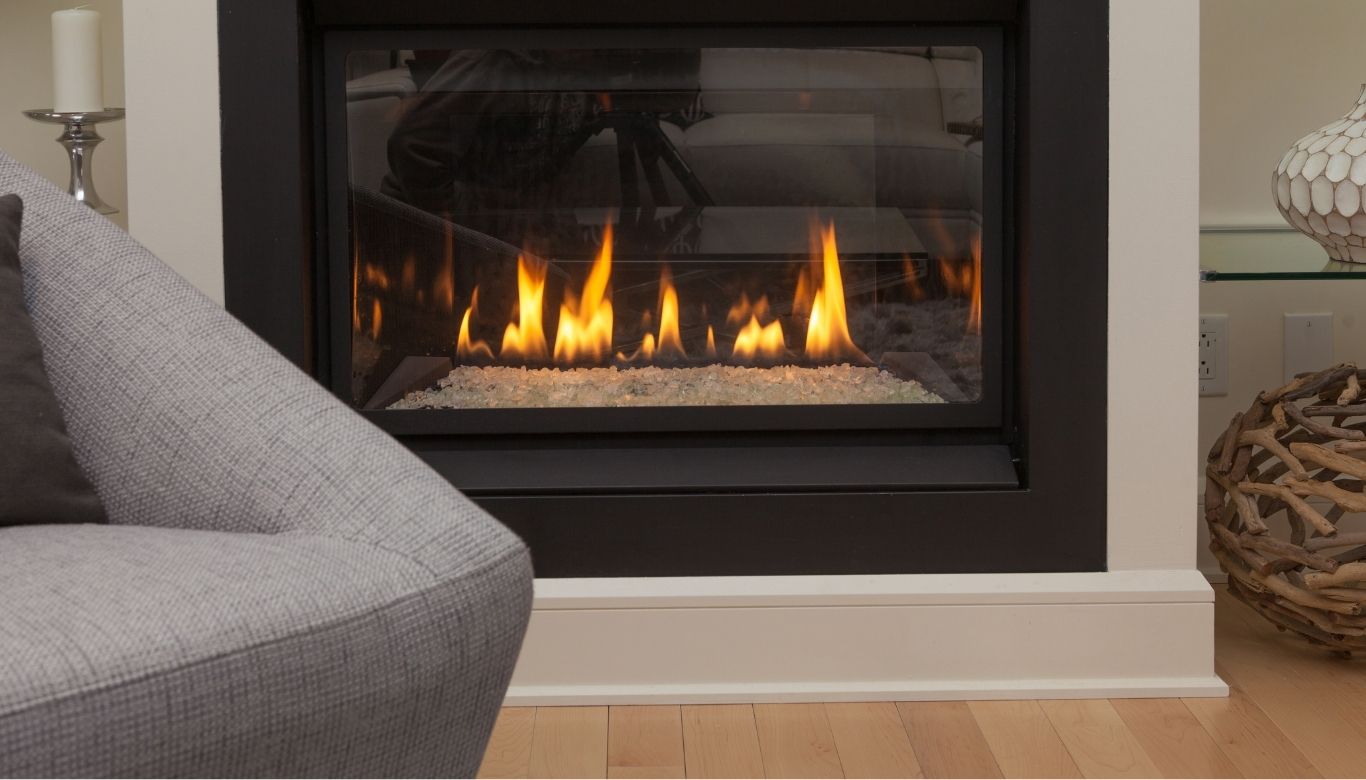
Many gas units do not require traditional hearth extensions because they are sealed systems. However, certain models still need a hearth depending on installation height or manufacturer instructions.
Electric units usually do not require hearths since they do not produce real flame or heat output that could create fire risk.
Even when not required, many homeowners choose to include one for aesthetic reasons or to add a traditional feel to the space.
Once someone learns what is a fireplace hearth, the next question is usually about materials. Hearths must be built from non combustible, durable, heat resistant materials. Some of the most popular choices include:
Natural stone such as slate, granite, or limestone is one of the most common hearth materials. It is durable, attractive, and able to withstand high temperatures.
Ceramic and porcelain tiles are heat resistant and come in a wide range of styles, colors, and patterns.
Brick hearths offer classic appeal and pair well with traditional or rustic décor.
Marble hearths create a luxurious, high end look but require regular maintenance to keep the surface pristine.
Concrete hearths are cost effective and can be customized with stains, textures, or polished finishes.
The best material depends on your fireplace type, interior style, and maintenance preferences. Anyone researching what is a fireplace hearth will quickly see just how many design possibilities are available.
When exploring a fireplace hearth, you should also understand the term hearth extension. This refers to the section of hearth that extends out into the room beyond the firebox opening. It acts as an additional safety buffer.
The required size of a hearth extension varies based on fireplace type and local building codes. Wood burning fireplaces usually need a larger extension compared to gas inserts.
Extensions must meet minimum thickness and width requirements to provide adequate fire protection.
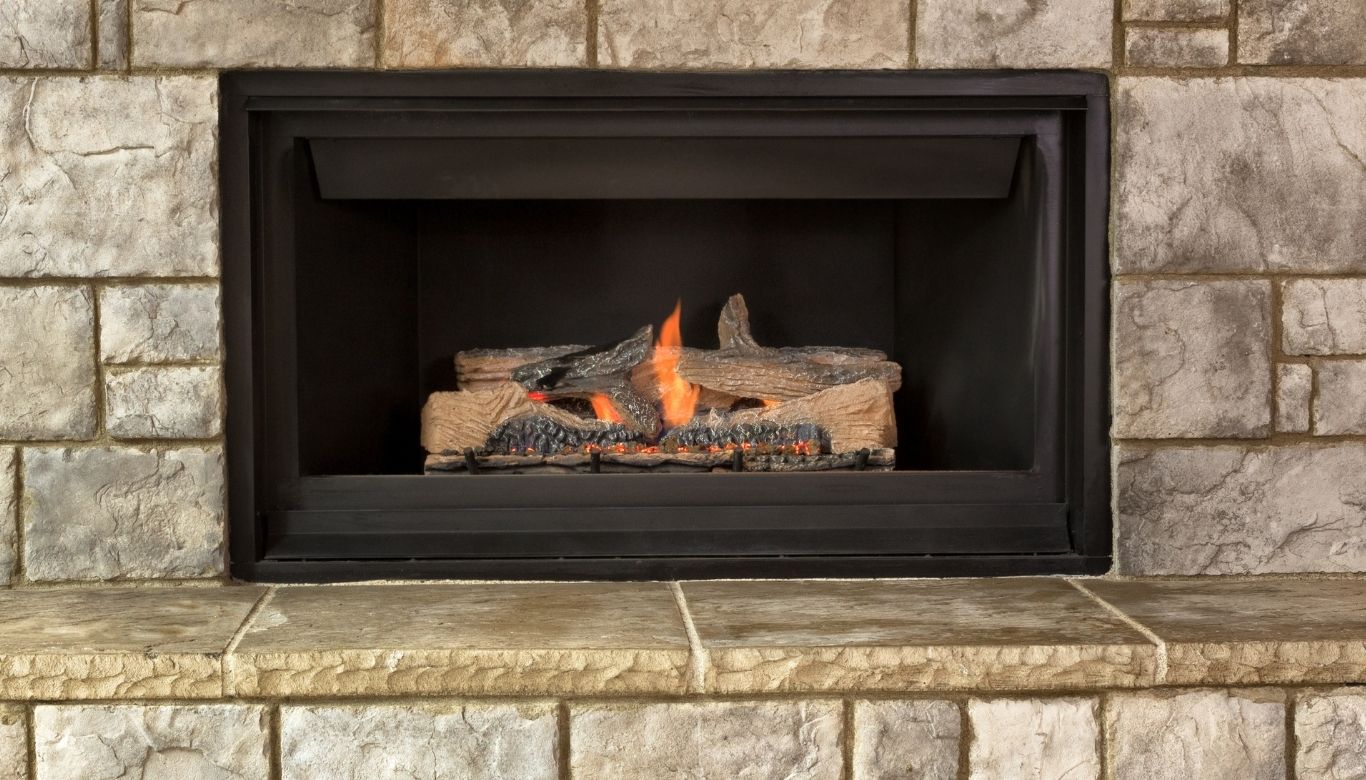
A hearth does far more than protect the home. It influences how the entire fireplace feels within the room. When homeowners ask what is a fireplace hearth from a design standpoint, they are often thinking about how it enhances their décor.
• Raised vs flush hearths
• Thick stone slabs vs thin tile layers
• Neutral, textured, or polished materials
• Modern minimalist shapes or traditional profiles
• Matching or contrasting materials with the mantel
A well designed hearth can transform even a simple fireplace into a striking interior feature.
Part of understanding what is a fireplace hearth involves knowing how to care for it. A poorly maintained hearth can accumulate soot, debris, and stains, and may even hide fire risks if neglected.
• Sweep ash and debris regularly
• Inspect for cracks or loose tiles
• Clean stains with materials appropriate for the hearth surface
• Avoid harsh chemicals on natural stone
• Ensure carbon monoxide and smoke alarms are functional
For wood burning units, chimney maintenance is crucial. Creosote buildup can create serious fire hazards. Even gas fireplaces benefit from annual inspection to maintain safe operation.
What is a fireplace hearth exactly?
It is the non combustible floor area under and in front of your fireplace that protects your home from heat, embers, and sparks.
Why is it important?
A hearth provides fire protection, enhances safety, and acts as a design anchor for the room.
Do modern fireplaces still need hearths?
Wood burning fireplaces always require hearths. Gas and electric models vary depending on installation and building codes.
What materials work best?
Popular options include stone, tile, marble, granite, brick, and concrete.
Can a hearth be decorative even if not required?
Yes. Many homeowners add hearths purely for style and visual balance.
Knowing what is a fireplace hearth helps homeowners make informed decisions about safety, design, and installation. Whether you are upgrading an older fireplace or designing a new one, the hearth plays a critical role in both performance and appearance. With the right material, size, and placement, it becomes a beautiful and functional part of your home.
Whether you’re dealing with a stubborn pilot light, a noisy blower, or just want to keep your HVAC system running smoothly year-round — Eco Pro Heating & Cooling has your back.
See available grants and rebates
Contact us anytime — we’re available 24/7
We’ve been proudly serving Vancouver and the North Shore for over 20 years, with 300+ 5-star reviews and a commitment to getting it 100% right — or it’s 100% free. Call us today at (604) 725-4485 or get a free quote and let’s bring comfort back to your home.

EcoPRO. All rights reserved. Our website services, content, and products are for informational purposes only.