Staying warm in winter used to mean relying on gas furnaces or electric baseboards. Today, many BC homeowners are exploring a different path. The modern cold climate heat pump is engineered to handle harsh Canadian winters while lowering energy use and improving comfort. If you have been wondering whether these systems truly perform when temperatures drop, this guide breaks everything down in a clear and practical way.
The traditional heat pump was never meant for deep winter performance. Older models would struggle once temperatures fell toward freezing. A heat pump solves this through advanced compressor technology that keeps extracting usable heat long after standard systems tap out.
At the heart of the system is a variable speed inverter compressor. Instead of switching on and off the way older equipment does, this compressor continually adjusts to outdoor conditions and maintains consistent indoor temperatures. This improved modulation also helps reduce energy waste and makes your home feel more even and comfortable.
Modern refrigerant flow design and optimized coil configurations allow the cold climate heat pump to perform at temperatures near or below zero. Even in subfreezing air, there is still heat energy available. The unit is designed to capture that energy and move it inside your home far more efficiently than traditional electric or oil heating systems could.
Every cold climate heat pump follows the same core principle. It transfers heat rather than generating it. Even cold outdoor air contains energy. The pump captures this heat, compresses it, and moves it indoors. When summer arrives, the process reverses and the system cools your home with the same components.
The real advantage lies in the way winter performance has been engineered. A standard heat pump relies heavily on auxiliary heating when temperatures fall. A cold climate heat pump continues delivering strong output at much lower outdoor temperatures. This gives BC homeowners confidence that they can rely on the system without sudden temperature drops or performance loss.
Some models include vapor injection technology. This provides an additional boost during the coldest hours and helps maintain reliable capacity without sudden spikes in energy consumption. Combined with intelligent controls, the heat pump adjusts its performance in real time to maintain the set temperature smoothly.
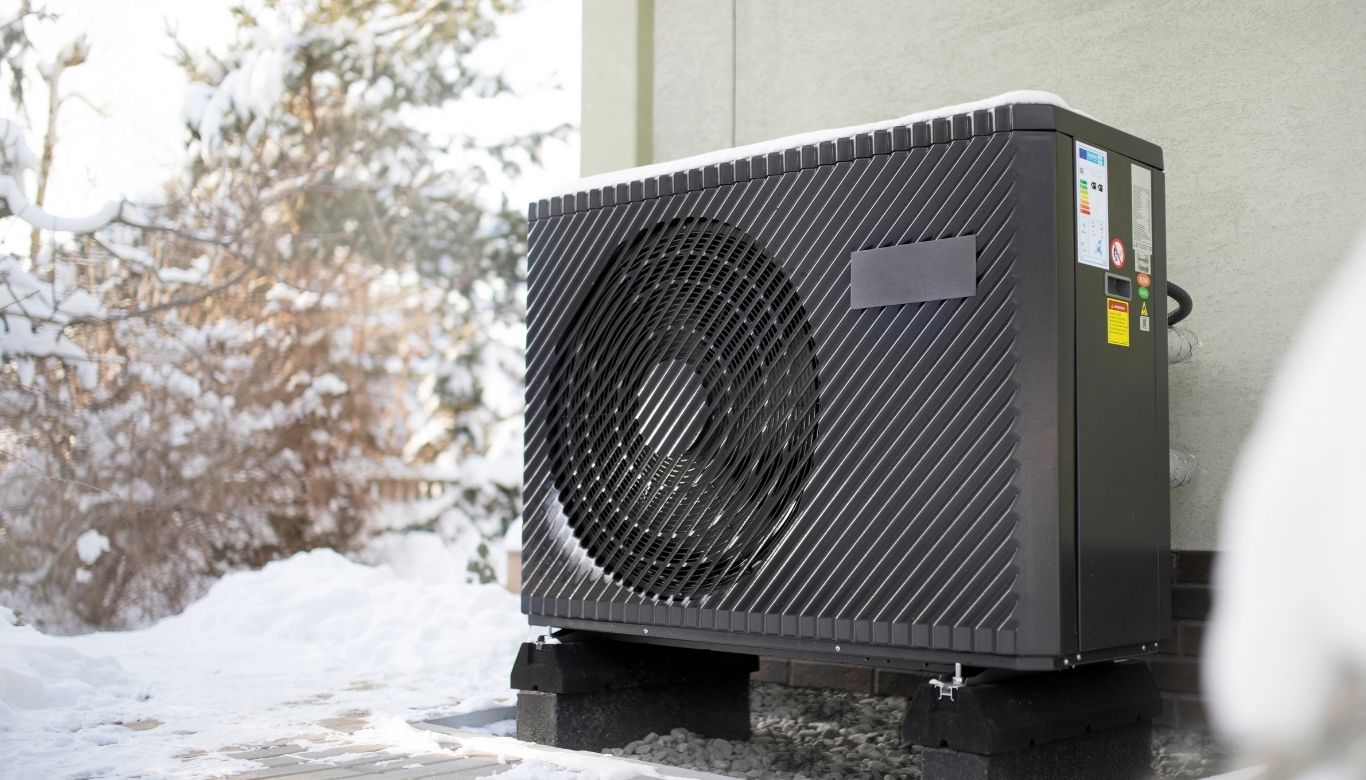
Across the Okanagan and the rest of British Columbia, winter temperatures can fluctuate sharply. Performance consistency is the biggest reason homeowners choose a cold climate heat pump over traditional systems.
Key benefits include:
Unlike older heat pumps, a modern cold climate heat pump can operate well below freezing. This capability opens the door for more households to reduce reliance on fossil fuels without sacrificing comfort.
Heat pumps can deliver two to three times more heating energy than the electricity they use. This efficiency remains strong in cold environments when the unit is correctly sized and installed. By reducing energy consumption, many homeowners see a significant difference in monthly bills.
A cold climate heat pump replaces both your heating and cooling equipment. In winter it delivers dependable warmth, and in summer it keeps your home cool with high efficiency. This makes it a true all season solution.
Variable speed technology keeps the heat supply consistent. Instead of sudden blasts of warm air followed by long pauses, your home stays comfortable at all times. Many homeowners notice this improvement within the first few days after installation.
Switching from gas or oil to an electric cold climate heat pump reduces your household emissions and supports a cleaner heating approach for the future.
A cold climate heat pump can only work at its highest potential when the installation is handled by a trained professional. Proper equipment selection, load calculations, and placement all influence long term performance.
Here are the most important factors Eco Pro Heating and Cooling evaluates before installation:
Air leaks force heating systems to work harder. Improving insulation and sealing drafts ensures the pump maintains efficiency across temperature swings.
Each home has a unique heating load. Oversized equipment wastes energy and shortens equipment lifespan. Undersized units overwork themselves during extreme weather. A professionally calculated size is essential for the best performance.
The outdoor unit should be installed above typical snow levels and positioned where airflow remains unobstructed. Proper drainage prevents ice buildup and protects components from damage.
A cold climate heat pump requires a dedicated power supply and should be connected by a licensed electrician who understands local electrical requirements.
Many homeowners rely entirely on their cold climate heat pump year round. However, some properties benefit from a supplemental or backup heat source. This depends on climate, insulation levels, and homeowner preferences.
Supplemental heating can:
• Provide peace of mind during extreme cold
• Allow the heat pump to operate at its most efficient range
• Offer protection during power outages when using a compatible generator
Eco Pro can assess whether your home would benefit from an additional system or whether the cold climate heat pump alone will comfortably handle your full heating load.
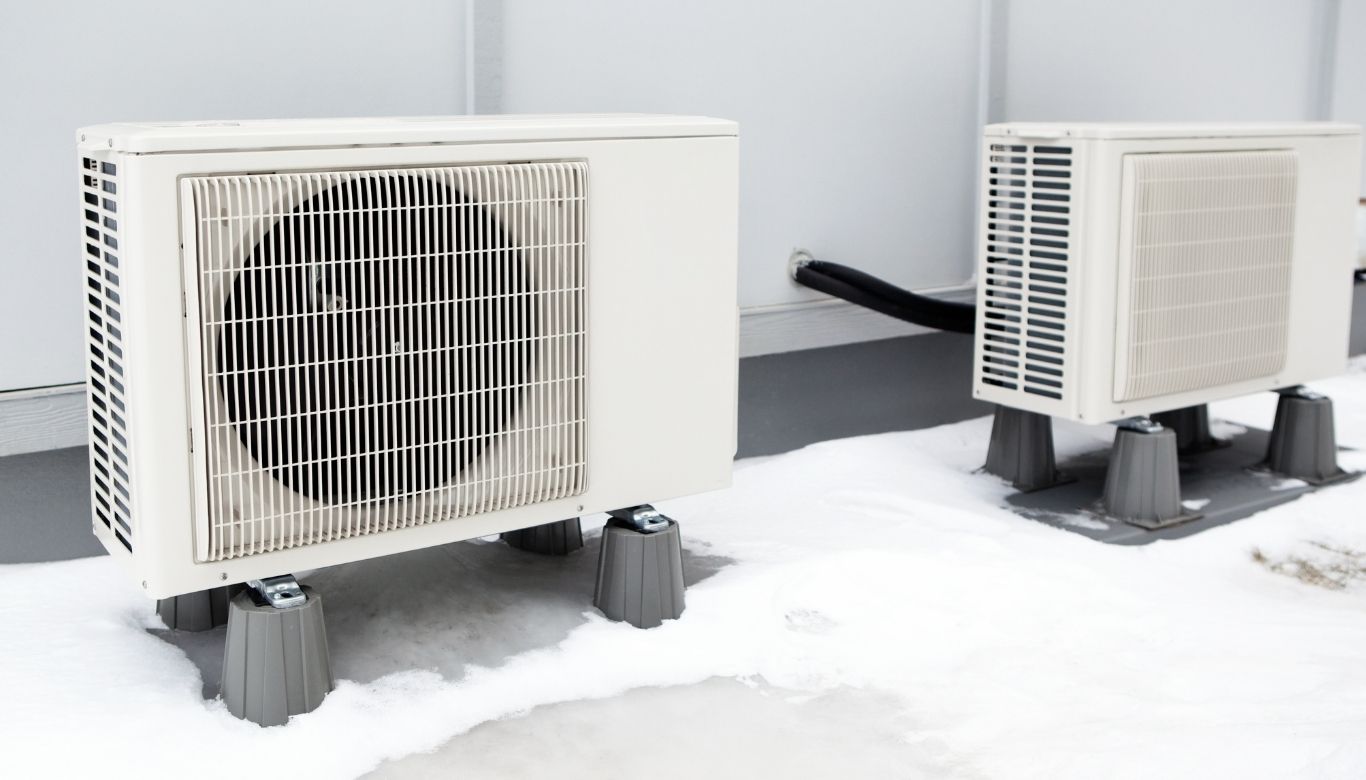
The shift toward modern, efficient heating is happening rapidly. Homeowners who once believed heat pumps were only for mild climates are now experiencing the strength and reliability of today’s technology.
A cold climate heat pump offers:
• Greater control over indoor comfort
• Lower energy bills compared to electric baseboards or oil systems
• Clean, quiet, and consistent heating
• Eligibility for various rebates depending on location and equipment type
For many BC homeowners, this upgrade becomes the final step in improving home efficiency and reducing long term operating costs.
How does a cold climate heat pump stay efficient in freezing temperatures?
Cold climate systems use variable speed compressors and advanced refrigerant flow technology that continue extracting heat from outdoor air even when the temperature drops below zero. These components adjust their output in real time to maintain steady indoor comfort without relying heavily on backup heating.
Can a cold climate heat pump replace both my furnace and air conditioner?
Yes. A cold climate heat pump provides heating in winter and cooling in summer. It can fully replace a furnace in many BC homes as long as the system is correctly sized and installed. Some homeowners still choose a small backup system for peace of mind during extreme low temperature events.
Will a cold climate heat pump lower my energy bills?
Most homeowners see noticeable reductions in energy use. These heat pumps deliver two to three times more heating energy than the electricity they consume, which often results in lower monthly bills when replacing electric baseboards, older heat pumps, or oil systems.
Do cold climate heat pumps work during extreme cold snaps?
High quality systems are engineered to continue operating in harsh winter conditions. Many models maintain output well below freezing and can remain reliable even during sudden temperature swings common across British Columbia.
How long does installation take?
Most installations take one to two days depending on the home, electrical work needed, and whether ductwork is already in place. A pre-installation assessment ensures the system is properly sized and matched to the home’s heating load.
Do I need a backup heat source?
Not always. Many BC homes operate year round using only a cold climate heat pump. A supplemental heat source may be recommended in properties with poor insulation, unusually high heat loss, or when homeowners want added security during power outages or extreme cold events.
How do I know if my home is a good fit for a cold climate heat pump?
Homes with good insulation, sealed windows and doors, and adequate electrical capacity typically see excellent results. Eco Pro Heating and Cooling can provide a detailed assessment to determine heating load, required system size, and outdoor unit placement.
How often does a cold climate heat pump need maintenance?
These systems work best with annual professional maintenance. Regular service includes coil cleaning, refrigerant checks, electrical testing, and performance calibration to ensure the unit operates at peak efficiency through the winter.
Whether you’re dealing with a stubborn pilot light, a noisy blower, or just want to keep your HVAC system running smoothly year-round — Eco Pro Heating & Cooling has your back.
See available grants and rebates
Contact us anytime — we’re available 24/7
We’ve been proudly serving Vancouver and the North Shore for over 20 years, with 300+ 5-star reviews and a commitment to getting it 100% right — or it’s 100% free. Call us today at (604) 725-4485 or get a free quote and let’s bring comfort back to your home.

EcoPRO. All rights reserved. Our website services, content, and products are for informational purposes only.