It's a warm day, your heat pump is running, but the air coming through your vents isn't cool. It's one of the more frustrating HVAC situations a homeowner can face - especially when you're not sure whether it's a quick fix or something that needs a technician.
The good news is that a heat pump not cooling your house often comes down to a handful of common causes, many of which are straightforward to identify. This guide walks you through the most likely culprits, what to check yourself, and when it's time to call in a professional. If you'd rather skip the troubleshooting, our heat pump service team is always happy to take a look.
Before diving into the causes, it helps to understand what a heat pump is actually doing when it cools your home.
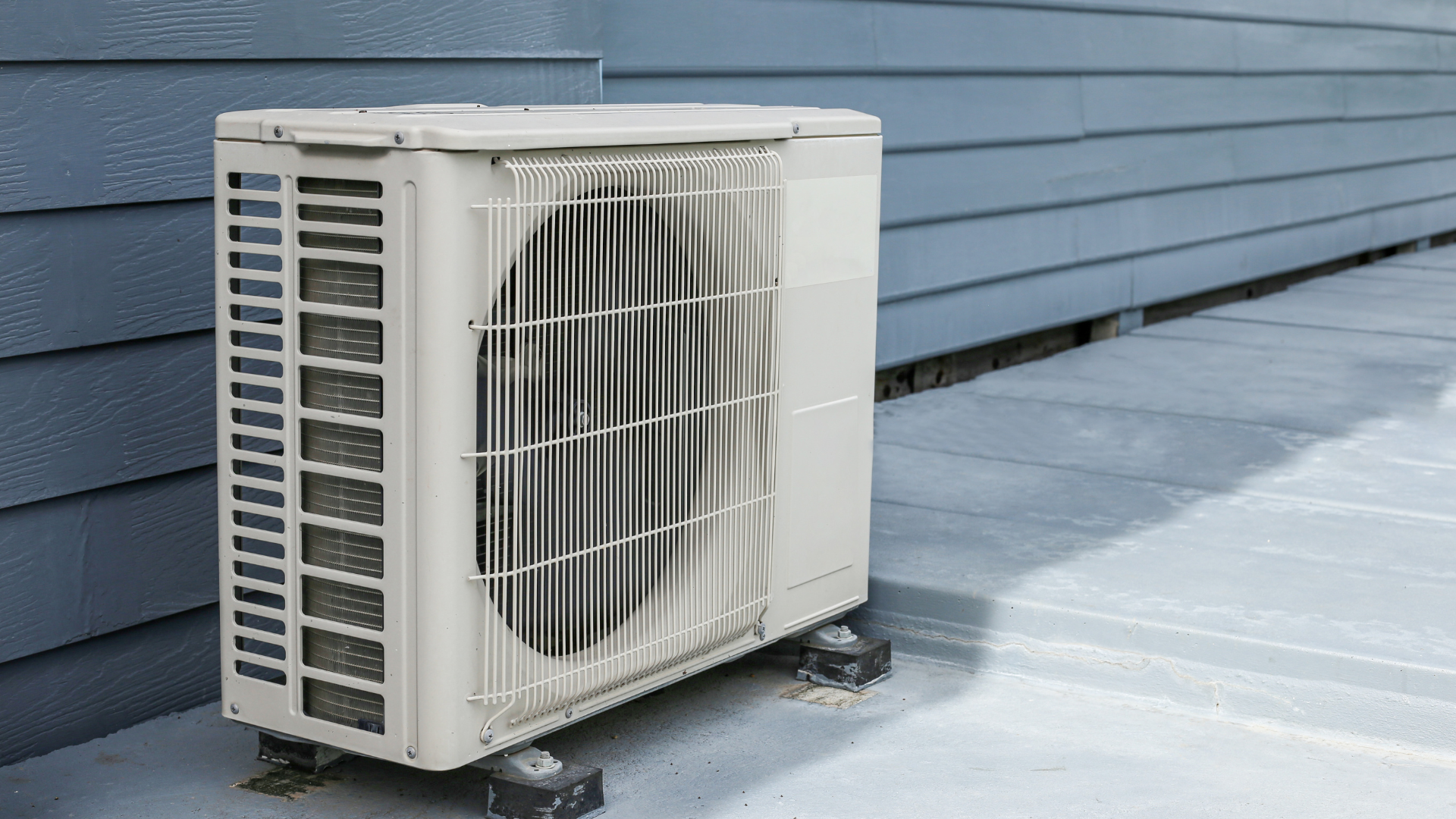
Unlike a traditional air conditioner that generates cold air, a heat pump works by moving heat. In cooling mode, it extracts heat from the air inside your home and transfers it outside, leaving cooler air behind. This process relies on refrigerant cycling between an indoor unit and an outdoor unit, absorbing and releasing heat as it goes.
When something disrupts that process - whether it's airflow, refrigerant, or a mechanical component - the result is a system that runs but doesn't cool effectively.
It sounds simple, but it's one of the most common causes. Heat pumps operate in both heating and cooling modes, and if the thermostat is set to "heat" or "auto" during a warm spell, the system may be actively warming your home instead of cooling it.
Check your thermostat and confirm it's set to "cool" mode, with a target temperature below the current indoor temperature. If you have a newer smart thermostat, also check that no scheduled heating settings are overriding your cooling preferences.
A dirty or completely clogged air filter is one of the leading causes of poor cooling performance. When airflow through the system is restricted, the heat pump can't move enough air across the evaporator coil to cool your home effectively. It may also cause the coil to freeze, which further reduces performance.
Check your filter and replace it if it looks grey or blocked. Most filters should be checked monthly during active use and replaced every one to three months. This is the single most common DIY fix for a heat pump that's underperforming.
The outdoor condenser unit needs to be able to release heat freely into the air around it. If the unit is covered in debris, surrounded by overgrown vegetation, or has dirty coils, its ability to shed heat is significantly reduced - and your home won't cool properly as a result.
Check that there's at least two feet of clearance around the unit and that the coil fins aren't packed with dirt, leaves, or cottonwood fluff. Gently rinsing the unit with a garden hose can help, but a professional coil cleaning is more thorough.
Refrigerant is the substance that actually carries heat out of your home. If the refrigerant level is low - usually due to a leak somewhere in the system - the heat pump loses its ability to transfer heat efficiently. The result is weak or warm airflow even when the system appears to be running normally.
Signs of low refrigerant include ice forming on the refrigerant lines or outdoor unit, a hissing or bubbling sound near the unit, and a noticeable drop in cooling performance over time. Refrigerant handling requires a certified technician - this isn't a DIY fix. If you suspect a refrigerant issue, it's important to have it addressed promptly, as running a system low on refrigerant can damage the compressor.
If the evaporator coil inside your home freezes over, airflow is blocked and cooling stops. This can happen for a few reasons - a clogged filter, low refrigerant, or poor airflow from blocked vents.
If you suspect a frozen coil, turn the system off and let it thaw completely before restarting it. Switching the fan to "on" mode (rather than "auto") can help speed up the thaw. Once it's thawed, replace the filter and check for anything else restricting airflow. If the coil freezes again after restarting, a technician should assess it.
Heat pumps have a built-in defrost cycle that runs periodically to clear ice from the outdoor unit. During defrost mode, the system temporarily reverses its operation - which means it may blow warm air or seem to stop cooling for a short period.
Defrost cycles typically last 10 to 15 minutes. If your heat pump seems to stop cooling briefly and then returns to normal, defrost mode is likely the cause and there's nothing to worry about. If the system seems stuck in this state for an extended period, that's worth investigating.
A faulty or poorly calibrated thermostat can cause all kinds of unexpected behaviour, including a heat pump that runs continuously without reaching the set temperature, or one that doesn't respond to cooling commands at all.
Try replacing the thermostat batteries if it's battery-powered. If you recently installed a new thermostat, double-check the wiring - heat pumps require specific thermostat configurations that differ from conventional furnace and AC systems. A technician can quickly confirm whether your thermostat is communicating correctly with the heat pump.
Heat pumps rely on capacitors to start and run the compressor and fan motors. A failed capacitor is one of the most common causes of a heat pump that runs but doesn't cool - the fan may spin while the compressor fails to start, resulting in warm air from the vents.
Other electrical issues, such as a tripped breaker, a failed contactor, or loose wiring, can also cause cooling failure. Check your electrical panel for any tripped breakers associated with your HVAC system. Beyond that, electrical diagnosis and repair should be handled by a certified technician.
If your heat pump has always struggled to cool your home on the hottest days, it may simply be undersized for the space. This is more common in older installations where the system wasn't properly sized through a load calculation, or in homes that have been expanded or renovated since the original installation.
An undersized system will run almost continuously on hot days and still fail to bring temperatures down to the set point. If this sounds familiar, it may be time to evaluate whether your current system is the right fit for your home.

Before picking up the phone, run through this quick checklist:
If you've checked all of the above and the system still isn't cooling, it's time to call a professional.
Some heat pump problems genuinely require a trained technician with the right tools and certifications. You should call a professional if:
Trying to diagnose refrigerant leaks, electrical faults, or compressor issues without proper training can cause additional damage and is unsafe. A certified HVAC technician can diagnose the problem accurately and repair it correctly the first time.
According to Energy Star, regular professional maintenance is one of the most effective ways to prevent heat pump failures and maintain efficiency over the life of the system.
If your heat pump worked fine for heating all winter but seems off when you switch to cooling mode for the first time in the season, it may just need a moment to transition - or it may have developed an issue during the off-season that's only now becoming apparent.
Running a full cooling cycle on the first warm day of the year is a good habit. If it doesn't perform as expected, catching the issue in spring - before peak summer heat - means faster service and less discomfort. Our HVAC services team can run a full system check to confirm everything is ready for the cooling season.
If your heat pump is aging, frequently needs repairs, or consistently struggles to cool your home even after servicing, it may be more cost-effective to replace it with a newer, higher-efficiency model. Modern heat pumps perform significantly better than systems from even a decade ago, and newer units may qualify for rebates through BC programs that can offset the upfront cost.
If you're weighing repair versus replacement, our air conditioning installation team can help you assess your options and find the right system for your home and budget.
.png)
A heat pump not cooling your house is a frustrating problem, but it's rarely one without a solution. Whether it's something as simple as a dirty filter or something that needs a professional diagnosis, addressing it promptly protects your system and keeps your home comfortable.
If you've worked through the checklist and still aren't getting results, contact Eco Pro Heating & Cooling for a free quote. Our certified technicians can diagnose and repair heat pump issues quickly and get your system back to doing what it's supposed to do.
Why is my heat pump running but not cooling?
The most common causes are a clogged air filter, low refrigerant, a dirty outdoor unit, a frozen evaporator coil, or the system being set to the wrong mode. Running through a basic checklist can help identify the issue before calling a technician.
Can a heat pump stop cooling due to low refrigerant?
Yes. Low refrigerant is one of the more common causes of poor cooling performance. It's usually the result of a leak somewhere in the system. Refrigerant handling requires a certified technician - it's not something that can be topped up as a DIY task.
Why is my heat pump blowing warm air in cooling mode?
Warm air in cooling mode can point to a failed capacitor, low refrigerant, a dirty evaporator coil, or the system being in defrost mode. If basic checks don't resolve it, a technician should assess the system.
How long should a heat pump take to cool a house?
On a moderately warm day, a properly sized and functioning heat pump should bring your home to the set temperature within 30 to 60 minutes. On very hot days it may take longer, but the temperature should be steadily dropping. If it runs for hours without progress, something is likely wrong.
Is it normal for a heat pump to blow warm air briefly?
Yes, briefly. Heat pumps run a periodic defrost cycle that temporarily reverses operation and may produce warm air for 10 to 15 minutes. This is normal. If warm air continues beyond that, it's not the defrost cycle.
When should I replace my heat pump instead of repairing it?
If your system is over 15 years old, requires frequent repairs, or consistently underperforms despite maintenance, replacement is often the more cost-effective choice. A technician can help you evaluate whether repair or replacement makes more sense for your situation.

EcoPRO. All rights reserved. Our website services, content, and products are for informational purposes only.